A fence decision for a single-family home is a weekend project. A fence decision for an HOA or multi-unit property is a budget line, a board vote, and a long-term commitment that affects dozens or hundreds of residents at once.
Property managers weighing a wood fence installation at this scale are working with a very different set of variables than a homeowner replacing a backyard fence, and knowing what actually changes before requesting a quote can save real time, money, and frustration once a project is underway.
Many of the surprises that derail larger fence projects, including delays, budget overruns, and inconsistent workmanship across phases, trace back to questions that were never asked during the quoting stage. A closer look at what wood fencing actually involves at this scale is a good place to start.
Why Wood Still Makes Sense for HOAs and Multi-Unit Properties
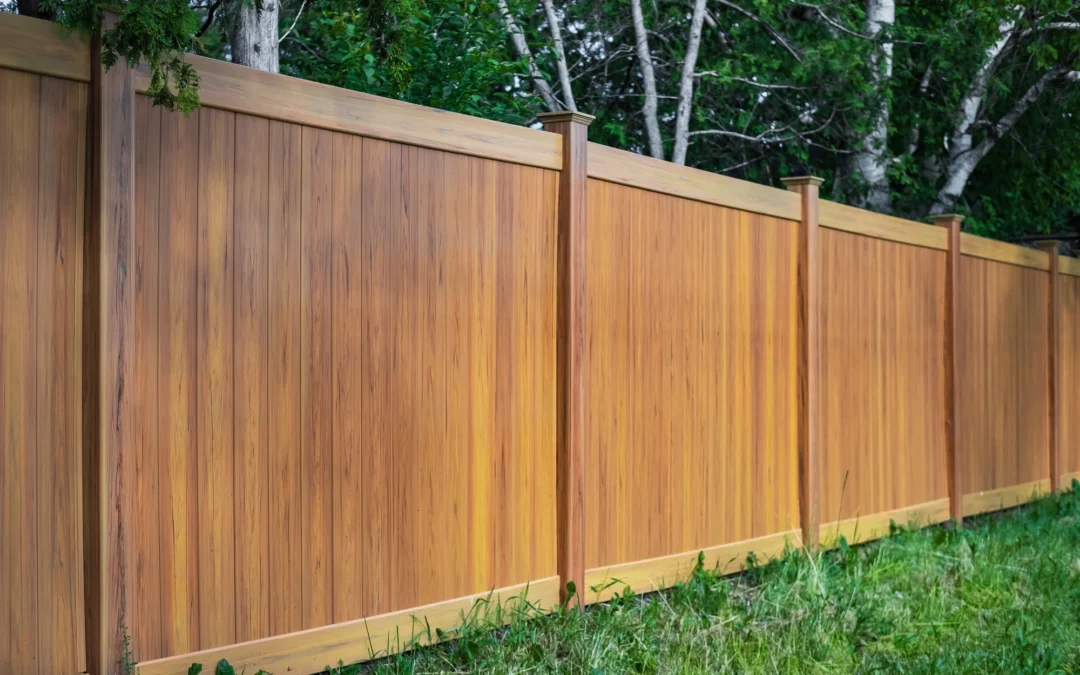
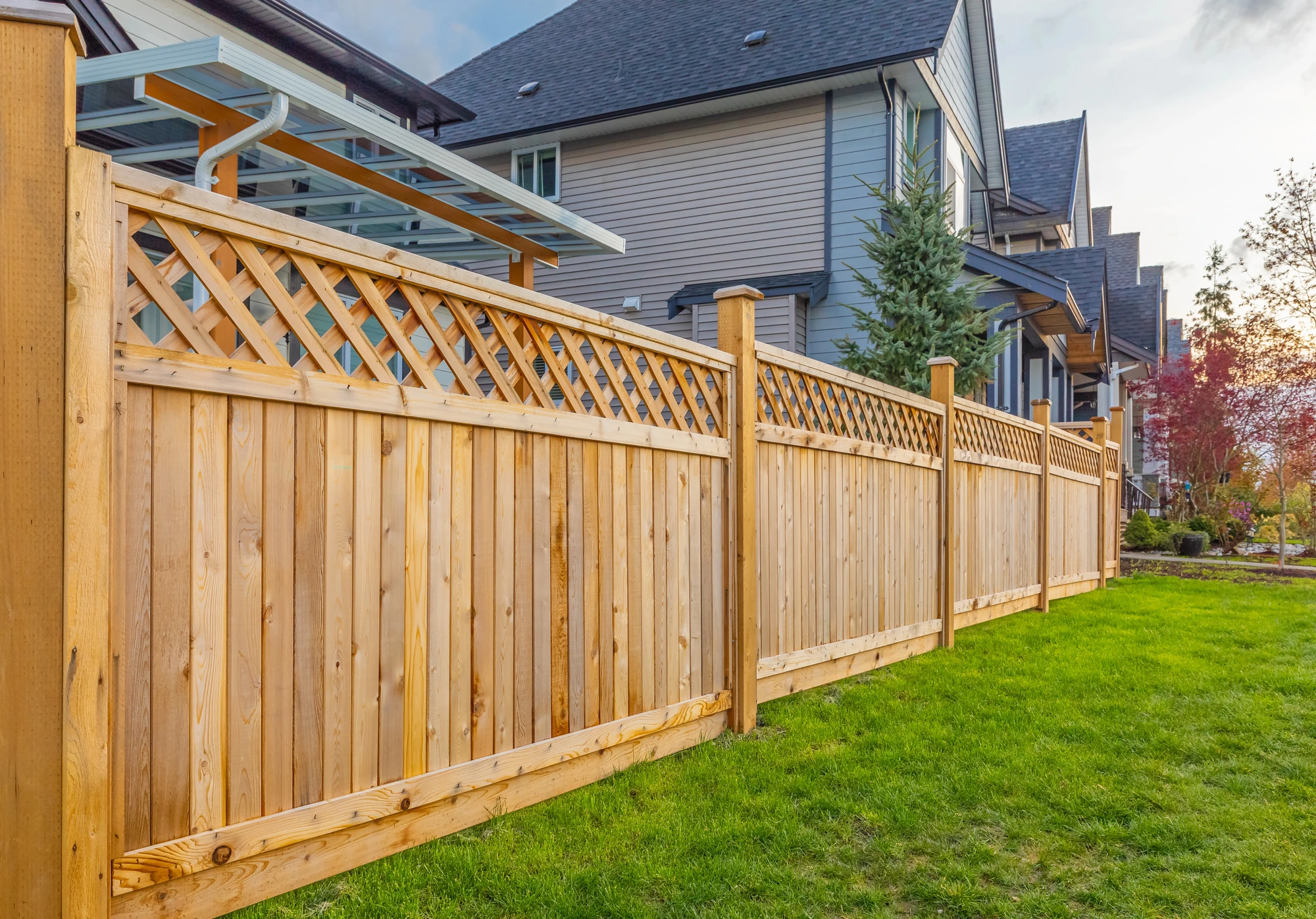
Wood remains a popular choice for community and multi-unit properties for reasons that go beyond nostalgia. It offers a warmer, more residential aesthetic that many boards and residents prefer over chain-link or the more uniform look of vinyl. That aesthetic tends to matter for curb appeal and resale value across an entire community.
Prospective buyers and renters often form an impression of a property before they ever step inside a unit, and a well-maintained wood perimeter tends to read as more established and cared-for than many of the alternatives.
Cost is another factor worth weighing honestly: wood remains one of the more budget-conscious options for covering significant linear footage compared to several alternatives, which matters a great deal when a project spans a community perimeter rather than a single backyard.
For boards comparing residential fencing options against commercial-grade alternatives, wood often strikes a reasonable balance between appearance and budget.
What Makes Multi-Unit and HOA Fence Projects Different from a Single-Home Install
The structural differences are significant once a project moves beyond a single property line. Longer linear runs, multiple access points, and the need to phase sections so residents aren’t all affected at once all change how a project gets planned and executed.
Coordination with existing landscaping, irrigation lines, and hardscape adds another layer most single-home installs never have to consider, since a single misplaced post can mean cutting into a sprinkler line that serves common-area landscaping rather than one homeowner’s yard.
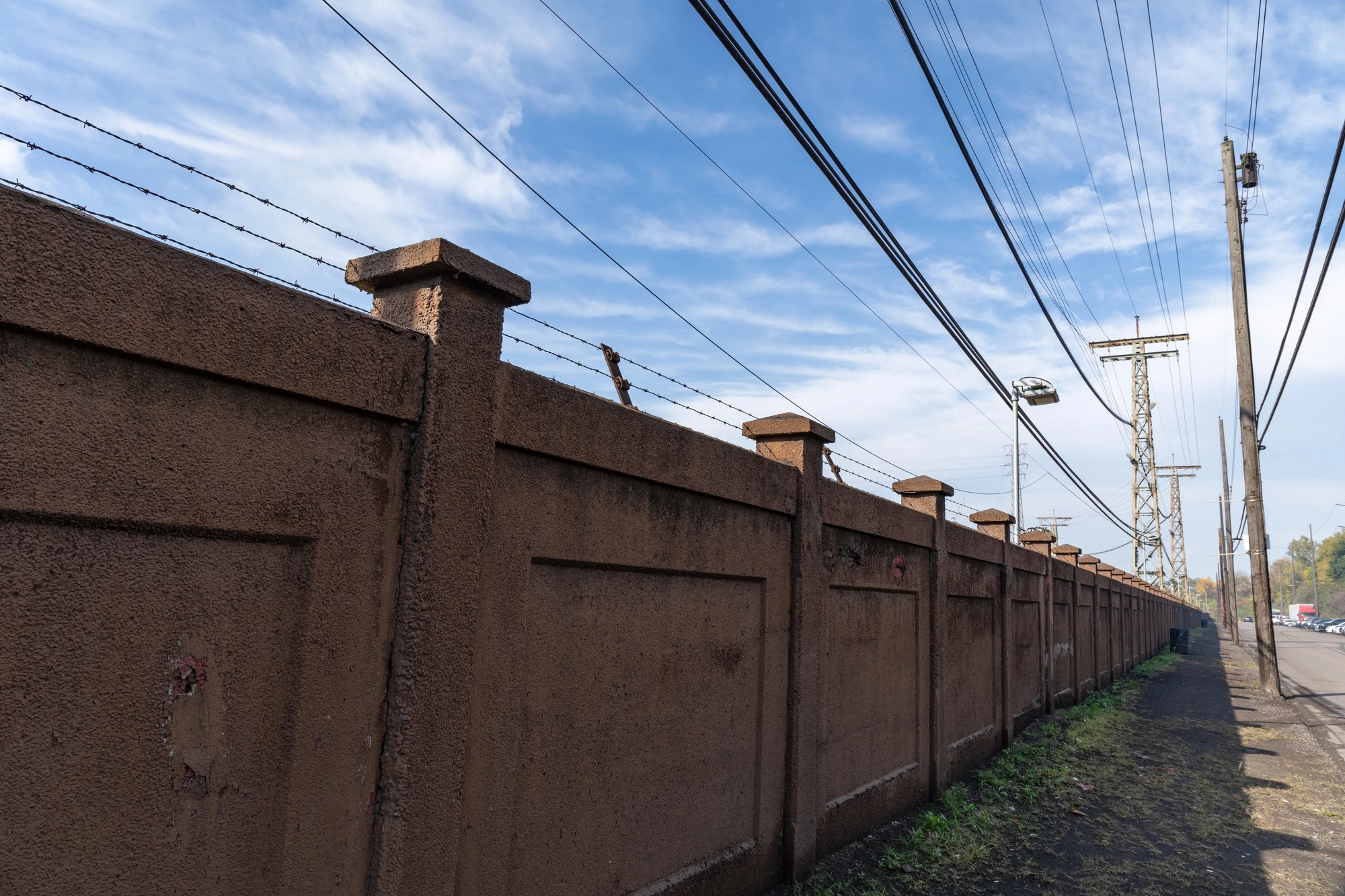
This overlap with commercial and industrial fencing projects is real, even when the material itself is residential-grade wood rather than steel or heavy-duty chain link.
The stakeholder side of the project looks different, too. A homeowner can decide on a fence over a weekend. An HOA or property management team typically needs board approval and a resident communication plan. Sometimes, a formal comment period before work can even begin, all of which needs to be factored into the overall project timeline from day one.
Residents living along the fence line often want an advanced notice of exactly when crews will be on-site, which is a coordination detail that simply doesn’t come up on a single-family job.
Material and Construction Considerations at Scale
Consistency matters more at scale than most property managers initially expect.
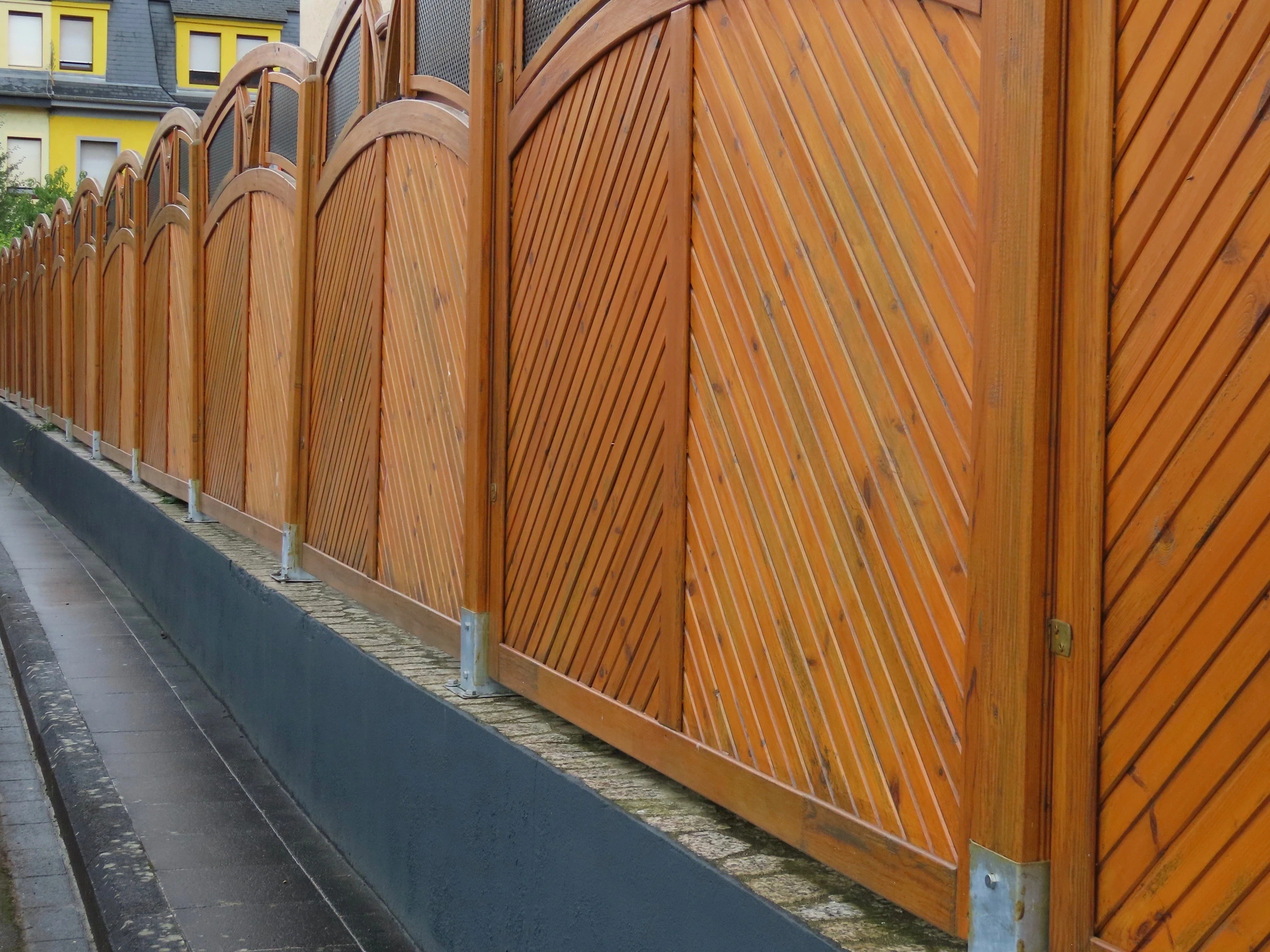
A flaw that’s barely noticeable on a 100-foot residential fence becomes glaringly obvious stretched across a quarter-mile community perimeter, where uneven coloring, inconsistent post spacing, or a slight lean in just a handful of sections is visible to every resident who drives past it daily.
A few specific considerations become much more important once a project reaches this scale:
- Consistent post depth and spacing across long runs to prevent uneven sagging over time
- Matching lumber grade and treatment level throughout the entire project, not just the first phase
- Planning for expansion joints or grade changes across larger or sloped properties
- Coordinating gate placement with resident and vehicle traffic patterns
Treatment level is worth particular attention for any posts going into the ground. According to the American Wood Protection Association, lumber used in ground contact applications requires a Ground Contact (UC4A) rating or higher, a meaningfully higher preservative retention level than lumber rated only for above-ground use.
Getting this detail wrong across dozens or hundreds of posts is a far more expensive mistake to correct than catching it during the quoting process, since replacing improperly rated posts after installation means tearing into finished sections rather than adjusting a spec on paper.
The Community Associations Institute also notes that a regularly applied maintenance plan, paired with a properly funded reserve study, can significantly extend how long a community’s fencing lasts before replacement becomes necessary, reinforcing that material quality and ongoing maintenance work together rather than independently.
A board that treats the initial installation as a one-time expense, without budgeting for periodic sealing or staining, often ends up facing a shorter effective lifespan than the materials themselves were actually capable of delivering.
Permitting, HOA Approval, and Compliance Considerations
Larger properties often face more complex permitting than a single residential lot, particularly with multiple access points, varying setback requirements along different property boundaries, or proximity to shared easements and common areas.
Getting ahead of HOA board approval and permitting timelines early, rather than assuming they’ll move quickly once a contractor is selected, prevents costly delays once a crew and materials are already scheduled.
A permit delay on a single-home project might push a start date back a week or two. On a community-scale project, the same delay can mean a crew and rented equipment sitting idle, or a phased schedule falling out of sync with when materials were ordered.
Understanding typical installation timelines for businesses and larger properties ahead of time helps set realistic expectations for the board and residents alike.
Questions to Ask Before Requesting a Quote
Coming into the quoting process with the right questions prepared makes it much easier to compare bids on an apples-to-apples basis, rather than simply comparing the bottom-line number on a handful of proposals that may not actually describe the same scope of work. Consider bringing these to the table:
- How is the project phased, and can sections be completed without disrupting all residents at once?
- What lumber grade and treatment level is included, and is it consistent across the entire project?
- Who handles permitting and HOA documentation, and what’s the expected timeline?
- What warranty applies to workmanship across a project this size?
- Are financing options available for larger community-scale budgets?
A contractor’s track record matters just as much as their quote. Reviewing a company’s history and experience with projects of comparable size gives a property manager a better sense of whether a bid reflects realistic expectations or an underestimate that leads to change orders later.
A contractor who has handled multiple community-scale projects will typically be able to speak specifically to how they phase work and communicate with residents, rather than describing a generic process that sounds more suited to a single backyard.
Repair or Full Installation? Making the Right Call for an Aging Community Fence
Patchwork repairs across a large community fence often end up costing more over time than a planned, phased full installation, especially once posts and structural elements are failing in multiple, unrelated sections.
A single failing gate or a few rotted posts might genuinely only need fence repair, but when failures start showing up across multiple sections of an aging perimeter, that’s usually a sign the fence has reached the point where a full, planned installation makes more financial sense than continuing to chase individual repairs.
Repeated repair visits also carry their own hidden costs in staff time, vendor coordination, and the ongoing appearance of a community that always seems to have a section under repair.
A professional assessment can help clarify which sections genuinely need replacement versus which can still be reasonably repaired, giving a board a clear-eyed recommendation rather than a default toward whichever option a vendor happens to specialize in.
Frequently Asked Questions
How long does a wood fence installation take for a large HOA or multi-unit property?
It depends on the scope of the project, but larger properties are typically phased and can take several weeks rather than days, especially when multiple access points or sections are involved.
Does our HOA need to approve the project before requesting a quote?
It varies by community, but getting preliminary board buy-in early helps avoid delays once a contractor is selected and a timeline is set.
How long does a wood fence typically last on a community property?
With proper ground-contact treatment and a consistent maintenance plan, well-installed wood fencing can last well over a decade, though climate and exposure to sun, humidity, and salt air can affect this significantly in coastal South Florida communities.
Can financing be used for a community-scale fence project?
Financing options are often available and worth discussing during the quoting process, particularly for larger budgets spread across a board-approved capital project. Some projects also involve coordinating fencing with gate systems at access points, which can affect overall project cost and financing needs.
Planning a Community-Wide Wood Fence Installation? Let’s Talk Scope
At Budget Fence and Gate Systems, we know that a project of this size deserves a contractor who understands what changes at scale, not just a quote based on linear footage. Request a quote today and bring your questions, your timeline, and your board’s priorities to the table.
Recent Comments