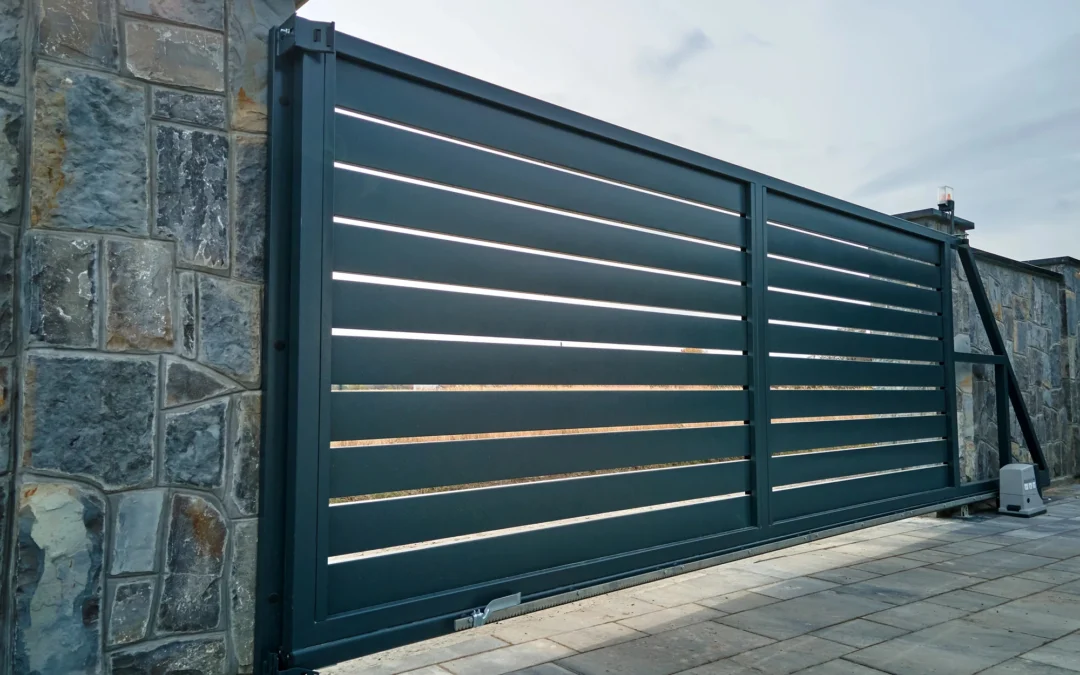
The gate is the one part of a perimeter that people actually walk or drive through every day, which means how it is controlled matters as much as the fence beside it. Property owners who search for a PVC fence company are usually thinking about privacy and curb appeal, and those goals matter.
However, the entrance deserves the same attention, because it decides who comes in, when, and how. A professional PVC fence installation defines your boundaries, and an automatic gate turns the opening in that boundary into a controlled entry point.
Why the Entrance Is the Weak Point
Fences and gates have long been the most familiar tools for keeping a property secure. The Whole Building Design Guide describes traditional crime prevention as focused on denying access to a target with barriers such as locks, alarms, fences, and gates.
It also explains that crime prevention through environmental design adds two ideas that matter for any entrance: natural access control and territorial reinforcement.
Natural access control reduces opportunities for crime by denying access to targets and creating a perception of risk. Territorial reinforcement uses features that define property lines and separate private space from public space, such as fences and gateway treatments, so a space looks owned and watched.
In practical terms, a fence defines the perimeter, but the gate decides who actually gets through it. If the gate is left open, propped, or is easy to bypass, the rest of the perimeter does less work than it should.
What an Automatic Gate System Includes
An automatic gate system is a complete entrance solution. The gate is the visible part, while the automation behind it controls movement and manages authorized access. A typical system may include:
- A gate operator (motor) and control board
- Remote transmitters, keypads, or coded entry
- Telephone or video entry systems
- Safety sensors and vehicle detection devices
- Battery backup, depending on the system
These components work together so authorized users can open and close the gate without manual operation. Many properties pair automatic gate systems with dedicated power, so it helps to understand how electric gate systems are wired and supplied before you design the entrance.
How Automatic Gates Improve Security
Automation does not make a gate impenetrable, but it does improve security in several concrete ways.
Controlled Entry
With an automated entrance, you decide who can enter. Depending on the equipment, access might be available through a remote, a keypad code, a card or key fob, or a telephone or video intercom that lets someone inside approve a visitor.
Different devices suit different properties, and the right combination depends on who needs access and how often. Learning about access control systems is a good way to see which options are best for a home, a community, or a business.
A Gate That Closes Behind You
Manual gates are often left open, propped, or unlatched, especially when someone is carrying groceries or pulling into a busy driveway. An automated gate, when configured to close on its own, removes that habit. The entrance remains closed most of the time, which keeps the perimeter intact whether or not anyone remembers to check it.
Deterrence, Not Guarantees
A visible fence and a motorized gate communicate that a property is owned and controlled. That raises the perceived risk of entering, which is a real deterrent. It is not an impenetrable barrier, though, and it works best as one layer of a larger approach that also includes good lighting, cameras, and neighbors who notice what is happening on the street.
Vehicle Screening
Telephone or video entry lets residents or staff confirm who is at the gate before it opens. That is useful for deliveries, guests, and service providers at a home, and for employees, tenants, and visitors at a commercial property. Instead of reacting after someone has pulled in, you can decide at the threshold.
Pairing the Gate With the Right Fence
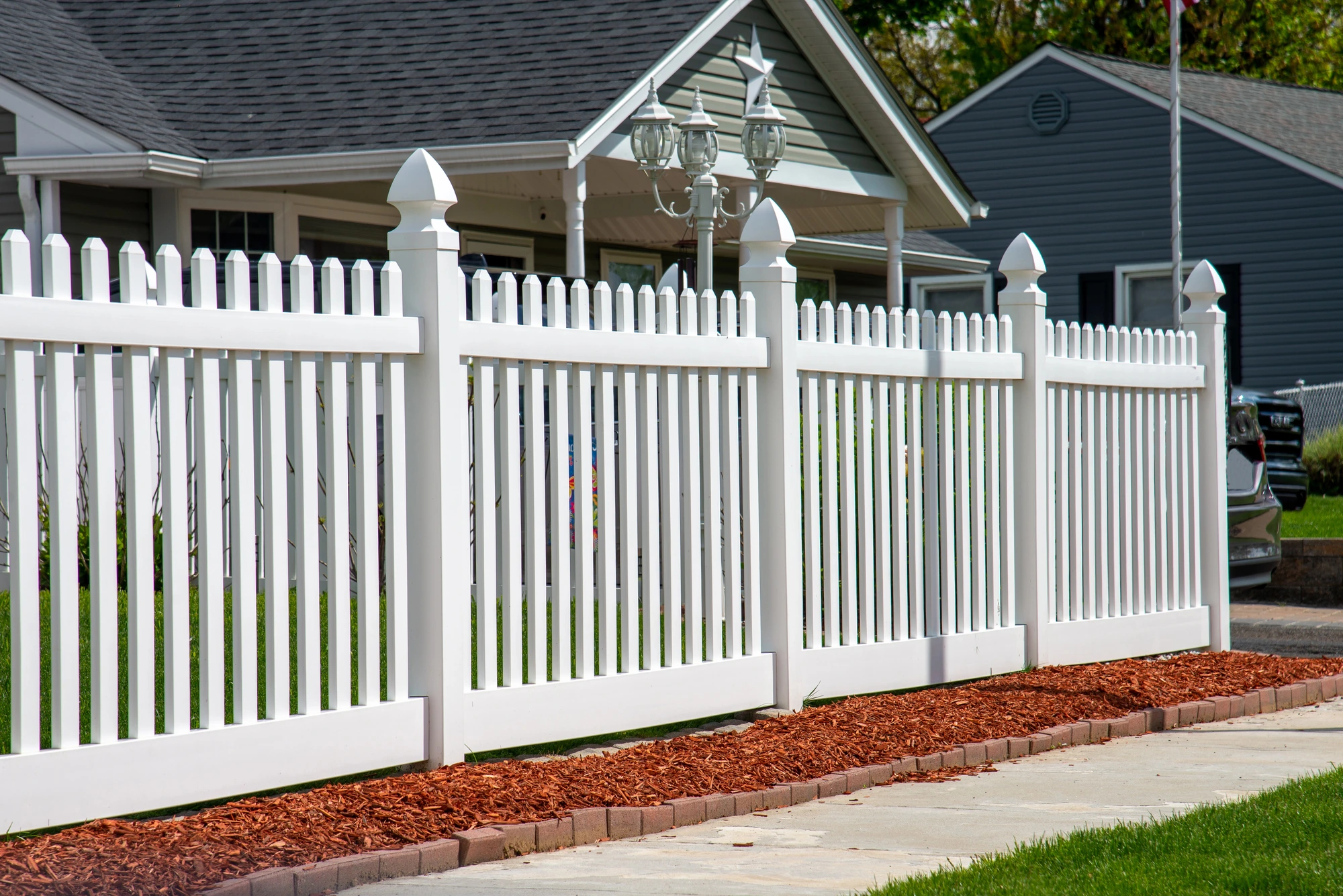
A gate and a fence function as a single security system. A strong, well-automated gate set into a weak fence line invites a different route in, so the two should be planned together. A few considerations help:
- Height and material: Match the fence line to the gate so there is no obvious weak link
- Privacy vs. visibility: PVC privacy panels block sightlines, while CPTED guidance often favors fences that allow visibility from the street, so some properties benefit from a mix of solid and semi-open sections
- Low maintenance: PVC offers a durable, low-maintenance option for privacy and curb appeal in South Florida’s climate
- Gate material: Automation pairs with aluminum, steel, wood, and other custom designs, so a PVC fence line is often matched with a gate framed in another material
Asking a PVC fence company how it plans to connect the fence and the gate, including posts, spacing, and the gate’s frame, helps you avoid gaps and mismatches. If you are looking at the entrance first, residential gate systems can be sized and styled to match the fence you already have or plan to install.
Residential vs. Commercial Needs
The right system depends on the property and how the entrance is used.
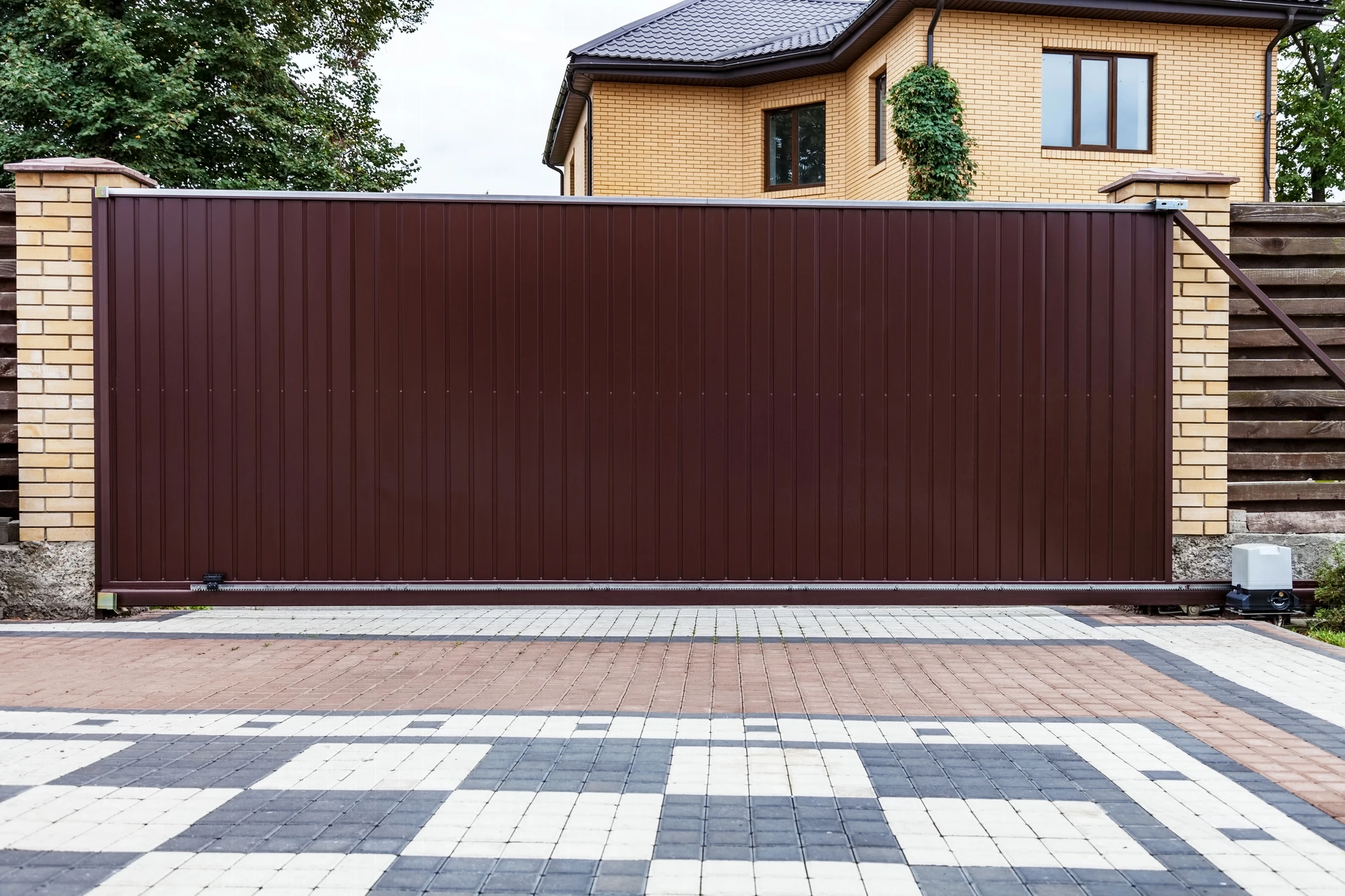
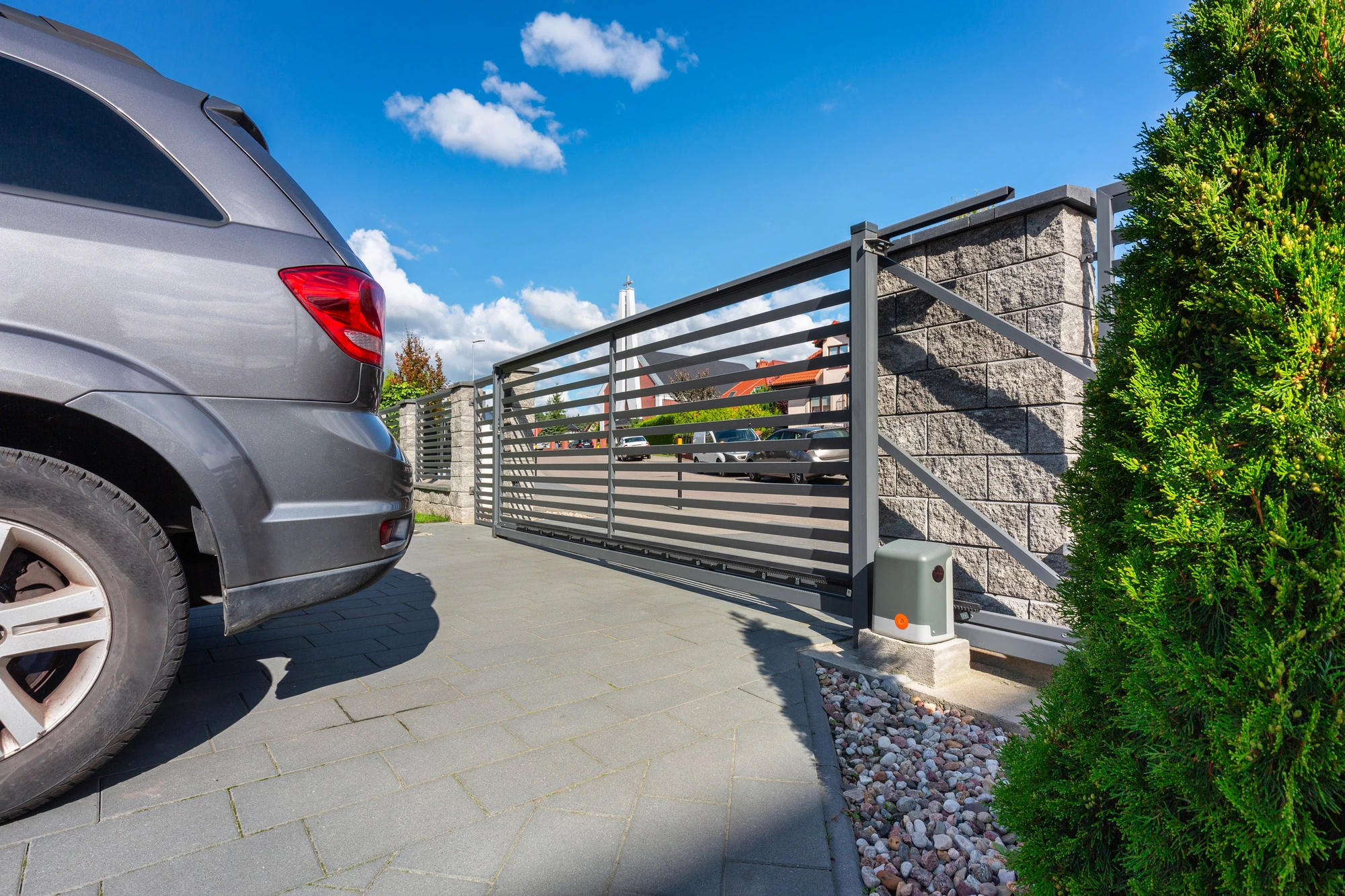
For homes, the main questions are driveway width, available clearance, slope, and how often the gate will open and close. Sliding gates move horizontally along the fence line, which suits tight clearances or sloped entrances. Swing gates open on hinges, like a door, and work well on driveways with enough room for single or double leaves.
Commercial properties introduce additional variables: higher traffic volumes, more daily cycles, and a larger group of authorized users, such as employees, tenants, and visitors.
Office buildings, warehouses, apartment communities, schools, and storage facilities all have different access patterns. A business weighing its options may also want to review commercial and industrial fencing, since the gate is only as strong as the fence line it connects to.
Details Worth Asking About
The difference between a gate that looks secure and one that is secure often comes down to details that are easy to overlook during a quote. Before you commit, ask about:
- Power during outages: Some systems include battery backup, so ask whether yours does and how the gate behaves if the power goes out
- Locking and latching: Confirm how the gate secures when closed, and whether the hardware suits the amount of use it will see
- Gaps and clearances: Spacing around the gate, posts, and fence line affects both security and safety
- Equipment placement: Keypads, intercoms, and control boxes should be placed where they are easy to use but not easy to tamper with
- Service access: Know who to call, and how quickly, if the operator or access controls stop working
Asking these questions early keeps the conversation focused on how the entrance will actually perform day to day, not just how it will look on installation day.
Planning Your System
A little planning up front makes an automatic gate project go more smoothly. A practical sequence looks like this:
- Define your goal, whether that is privacy, convenience, access control, or all three
- Review the entrance, including width, slope, clearance, and traffic
- Choose the gate style and material
- Pick the access control method that matches how people will use the entrance
- Confirm power requirements, and understand that permits and inspections may apply
- Plan for periodic maintenance from the start
Technology keeps changing what a gate can do, from smartphone-compatible access to remote monitoring. A look at how smart electric gate systems are changing home security can help you decide which features are worth having and which are not.
Frequently Asked Questions
Can an existing gate be automated?
In many cases, yes. If the gate is structurally sound and compatible with automation equipment, an operator and access controls can often be added without replacing the entire gate. An evaluation can determine whether it is suitable.
How long does automatic gate installation take?
It depends on the gate type, property conditions, electrical requirements, and the access control features you choose. Custom projects and larger commercial installations may take longer.
Do automatic gates need maintenance?
Yes. Like other mechanical systems, they benefit from periodic inspections that check moving parts, test safety devices, and confirm that the operator and access controls work as intended.
Will an automatic gate stop every intruder?
No. It is a deterrent and an access control tool, and it works best as part of a layered approach that includes a solid fence line, good lighting, and attentive neighbors.
Can I pair an automatic gate with a PVC fence?
Often, yes, though the gate itself may use a different frame material than the fence. Ask how the gate will connect to the posts and fence line so the whole entrance looks and performs as one system.
Looking for a PVC Fence Company That Also Secures Your Entrance? Let’s Plan Your Fence and Gate Together
Our team at Budget Fence and Gate Systems installs fences and gate systems for homes and businesses throughout South Florida, and we can help you plan the fence, gate, and access control as a single project. Request a quote, schedule a consultation, or call us at 561-793-6404 to get the right fence for you.
Recent Comments