
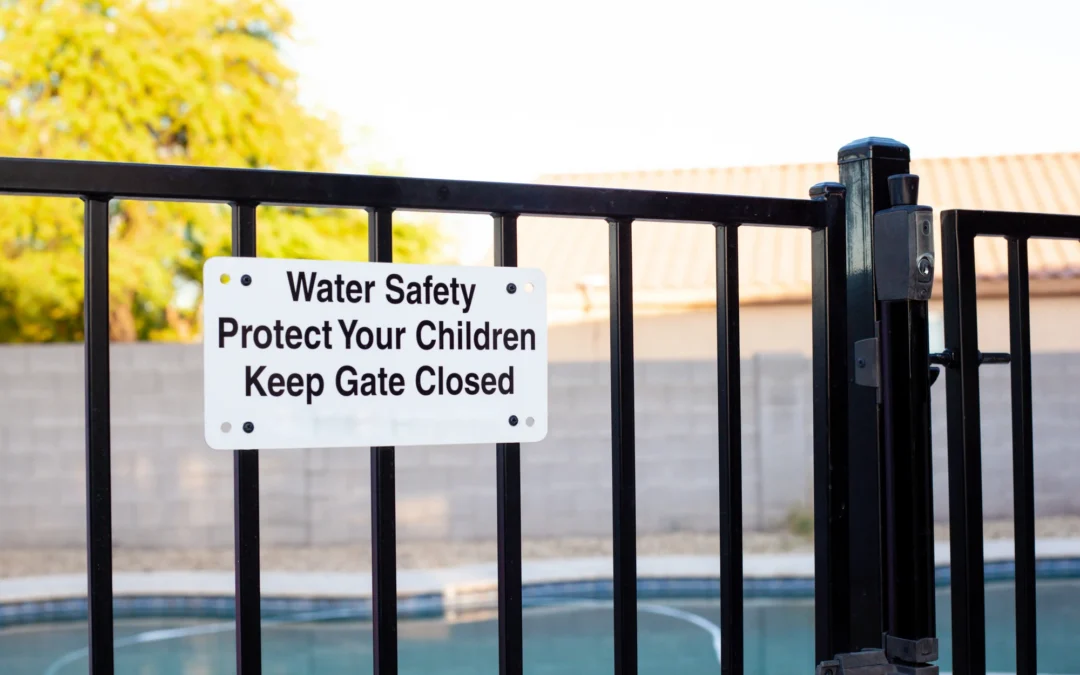
A pool is one of the best investments you can make in a South Florida backyard, but along with the fun comes real legal and safety responsibility. Before you dive into installation, it’s worth understanding exactly what Florida law requires regarding pool barriers.
Pool fence codes exist for one critical reason: to prevent drowning, especially among young children. Getting the details right isn’t just about passing an inspection; it’s about protecting the people you care about most.
So, every homeowner should know the core requirements of having pool barriers, the most common code violations , what to expect during the permitting process, and how to choose a fence that checks every box without compromising on style.

Why Pool Fence Codes Exist
Drowning remains one of the leading causes of accidental death among young children in Florida, and that sobering reality is exactly why the state has taken such a firm stance on pool barrier requirements.
These regulations are outlined in the Florida Building Code and reinforced by the Residential Swimming Pool Safety Act, which sets clear expectations for how a pool must be enclosed before it can legally hold water.
It’s easy to view code compliance as just another bureaucratic hoop to jump through, but it’s genuinely worth reframing. These rules were shaped by real incidents and real lessons learned, and they represent one of the simplest, most effective tools for preventing tragedy in a backyard.
Understanding the “why” behind the requirements makes the “how” much easier to follow and appreciate.
Florida’s Core Pool Barrier Requirements
While every property is a little different, Florida’s pool barrier law lays out several non-negotiable requirements that apply almost universally. Here’s what homeowners need to know:
Minimum height
Pool barriers must be at least 48 inches tall, measured from the ground on the side facing away from the pool.
No climbable gaps
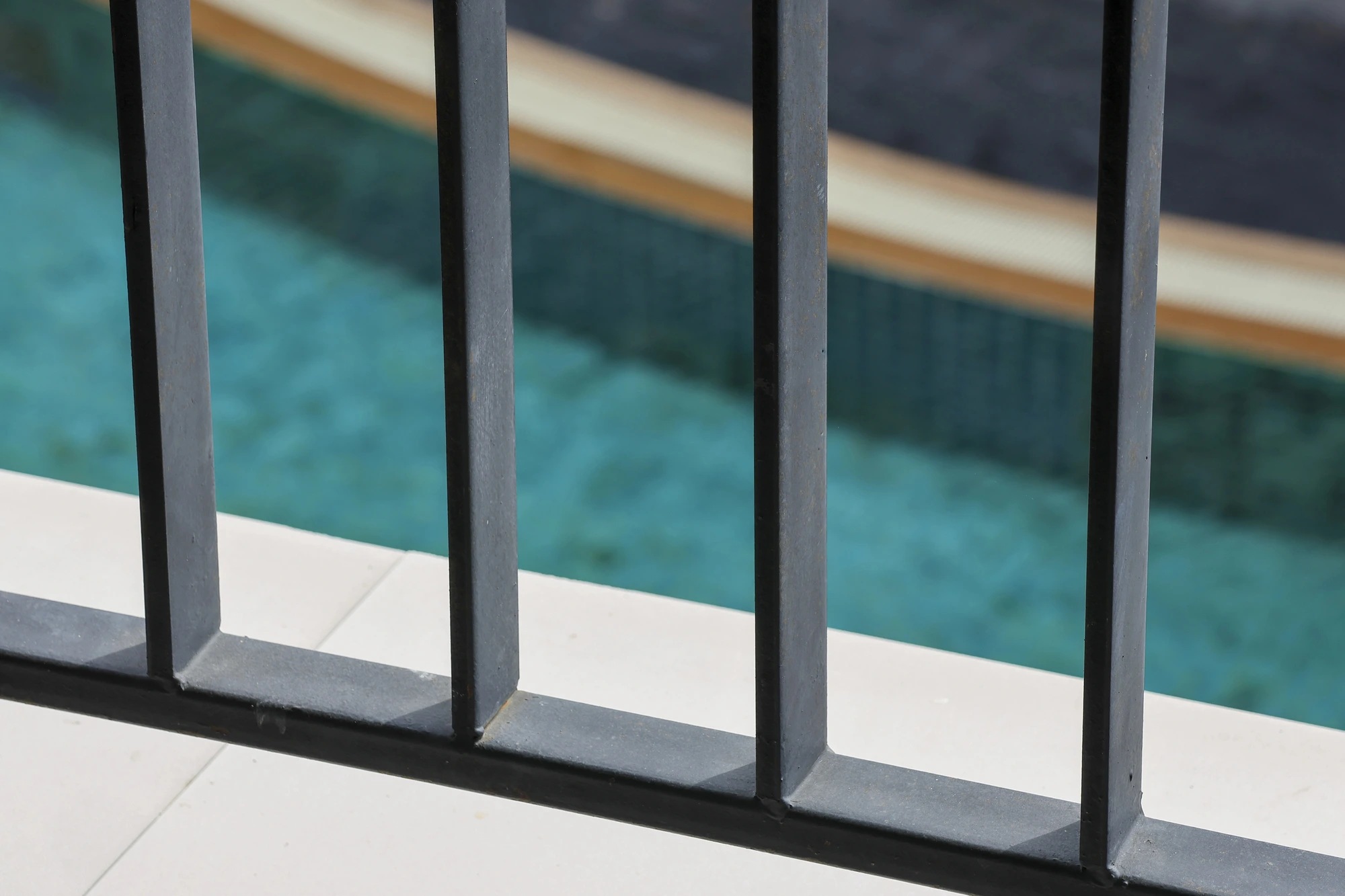
Any openings in the fence (between pickets, under the bottom rail, or anywhere else) must be small enough that a 4-inch sphere cannot pass through. This prevents small children from squeezing through or using gaps as footholds.
Self-closing, self-latching gates
Every gate providing access to the pool area must close and latch automatically. The latch release mechanism must be mounted high enough (typically at least 54 inches from the ground) that a young child can’t reach it.
No direct access from the house
If a wall of the home itself forms part of the pool barrier, any door leading directly to the pool area generally requires an alarm or another approved safety device to comply with code.
Gate swing direction
Gates are typically required to swing outward, away from the pool, so they can’t be pushed open toward the water by a child leaning against them.
It’s also important to know that while these core requirements come from the Florida Building Code, individual municipalities, including cities and counties throughout South Florida, may layer on additional or slightly different rules.
Palm Beach County, Martin County, and neighboring jurisdictions each have their own building departments, and it’s always worth confirming local specifics before finalizing your fence plans.
Common Fence Materials That Meet Pool Code
The good news is that the meeting pool code doesn’t limit you to a single unattractive style of fencing. Several popular materials are well-suited to compliant pool barriers while still complementing your home’s overall look:
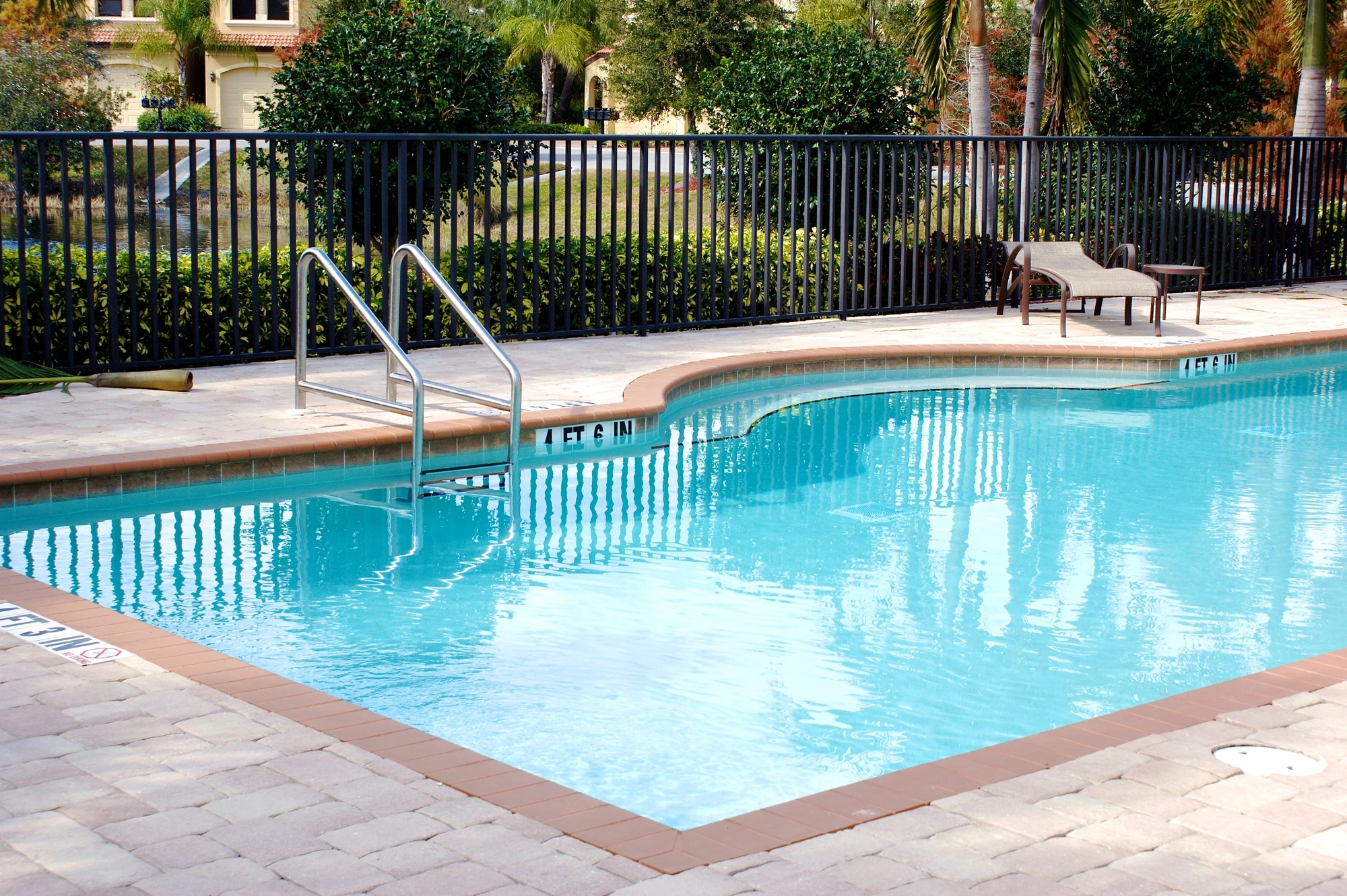
- Aluminum fencing is a favorite for pool enclosures thanks to its narrow picket spacing, rust resistance, and sleek, modern appearance.
- PVC (vinyl) fencing can also meet code requirements while adding extra privacy, since solid panel designs block visibility while still satisfying height and gap rules.
- Mesh pool fencing offers a removable, budget-friendly option that’s especially popular for families who want a temporary barrier during pool season or while children are young.
Each of these materials can be engineered to satisfy Florida’s spacing and height requirements, so the choice often comes down to your priorities around privacy, maintenance, and aesthetics.
Common Pool Fence Code Violations (and How to Avoid Them)
Even well-intentioned homeowners can run into trouble when installing or maintaining a pool fence. Some of the most frequent code violations we encounter include:
- Gates that don’t self-latch properly, or latches mounted too low for true child-safety compliance
- Picket spacing or gaps that exceed the 4-inch sphere rule, often on older or improperly installed fences
- Fences that meet the height requirement but include horizontal rails or decorative elements that create easy footholds for climbing
- Overgrown landscaping, patio furniture, or storage items placed too close to the fence, which can unintentionally provide a boost over the barrier
These issues might seem minor, but they can have significant consequences. A fence that fails inspection can delay pool permits, hold up a home sale, or create liability concerns if an accident occurs. Taking the time to get every detail right from the start saves both stress and risk down the road.
What to Expect During the Permit and Inspection Process
If you’re installing a new pool, adding a fence, or replacing an existing barrier, you’ll typically need to go through a permitting and inspection process with your local building department.
This generally involves submitting fence and pool plans for review, scheduling an inspection once installation is complete, and receiving a formal sign-off that the barrier meets all applicable code requirements.
This process can feel intimidating if you’re navigating it for the first time, but working with an experienced, licensed fence contractor makes a significant difference.
A knowledgeable installer will already understand the nuances of local code (down to the specific requirements in your city or county) and can design your fence to pass inspection on the first attempt, rather than requiring costly rework.
Choosing the Right Pool Fence for Your Home
One of the most reassuring things for homeowners to hear is that code compliance and curb appeal are not mutually exclusive. You don’t have to settle for a purely utilitarian barrier to keep your family safe and your pool legal.
If you want a low-maintenance, modern look, aluminum fencing offers clean lines and durability without sacrificing safety. If privacy is a priority, PVC fencing can provide a fully enclosed feel while still meeting spacing requirements.
And if you need flexibility, say, during a renovation, or while young children are still in the toddler years, mesh fencing offers a removable solution that can be taken down once it’s no longer needed.
The right choice ultimately depends on your budget, your home’s architecture, and how you plan to use your outdoor space. Consulting with a professional who understands both the code requirements and the design possibilities ensures you end up with a fence that works on every level.
Frequently Asked Questions
What is the minimum height required for a pool fence in Florida?
Florida law requires pool barriers to be at least 48 inches tall, measured on the side of the fence facing away from the pool.
Do pool gates need to self-latch?
Yes. Gates must be self-closing and self-latching, and the latch release must be mounted high enough that a young child cannot easily reach it.
Can my house serve as part of the pool barrier?
In some cases, yes; however, any door that provides direct access to the pool area typically requires an alarm or another approved safety feature to remain compliant.
What happens if my pool fence doesn’t meet code?
A non-compliant fence can fail inspection, delaying pool permits or even a home sale, and it may create safety and liability concerns for your household.
Does every city in South Florida have the same pool fence requirements?
The baseline requirements come from the Florida Building Code, but individual municipalities may add their own rules. It’s always best to confirm specifics with your local building department.
Can I install a stylish fence that still meets pool code?
Absolutely. Aluminum, PVC, and mesh fencing all offer attractive, code-compliant options: you don’t have to choose between safety and curb appeal.
Are pool alarms required in addition to a fence?
Not always, but they can serve as an alternative or supplemental safety layer. For example, door alarms are often required when a home’s exterior wall serves as part of the pool barrier.
What’s the difference between a pool fence and a safety fence?
“Pool fence” and “safety fence” are generally used interchangeably to describe a code-compliant barrier designed specifically to restrict pool access, as opposed to a decorative or property-line fence.
Let Us Help You Install a Pool Fence That’s Safe, Compliant, and Beautiful with the Best Budget Fence and Gate
Whether you’re installing a brand-new pool fence or upgrading an existing barrier, getting the details right matters for your family’s safety and for a smooth permitting process.
At Budget Fence and Gate Systems, we have the local code expertise and installation experience to get it right the first time, from material selection through final inspection.
Contact us today for a free quote on your next fence or gate project, and let our team help you find the safest, most stylish solution for your home.
Recent Comments