Finding the right fence often feels like a tradeoff between price and performance. Homeowners and property managers want something affordable, but they also expect a fence to remain stable, functional, and visually acceptable long after installation. That’s why many people researching affordable fencing start asking deeper questions about materials, lifespan, and long-term upkeep rather than just upfront cost. A well-chosen fence doesn’t need constant repairs or early replacement. With the right planning, budget-conscious fencing can still deliver reliability year after year.
What “Affordable” Really Means in Fencing
Affordable fencing isn’t defined by the lowest number on a quote. It’s measured by how well a fence performs over time and by the additional costs that arise after installation. A fence with a low upfront price may seem appealing, but if it requires frequent repairs, repainting, tightening, or early replacement, its total cost can quickly exceed that of a more durable option. In many cases, the most affordable fence is the one that remains stable, functional, and visually acceptable with minimal intervention.
True affordability comes from selecting materials and designs that balance reasonable installation costs with dependable performance. Durability plays a major role, especially in areas exposed to moisture, sun, or heavy use. Maintenance demands also matter, as ongoing care affects both time and long-term expense.
Equally important is how well the fence aligns with the property’s actual needs, including traffic patterns, access points, and anticipated wear. When these factors are considered early, affordability becomes a long-term advantage rather than a short-term compromise.
Why Material Choice Matters More Than Price Alone
Fence materials respond differently to climate, wear, and daily use. Some perform well in wet conditions but struggle under sun exposure. Others resist corrosion but lack flexibility for uneven terrain. Choosing materials based solely on price can lead to hidden costs tied to repairs, adjustments, or early replacement.
Budget-friendly fencing works best when materials are matched to how the property functions. Residential yards, commercial perimeters, high-traffic areas, and decorative boundaries all place different demands on a fence. Selecting materials with those demands in mind supports durability without unnecessary expense.
Pressure-Treated Wood: Cost-Conscious and Customizable
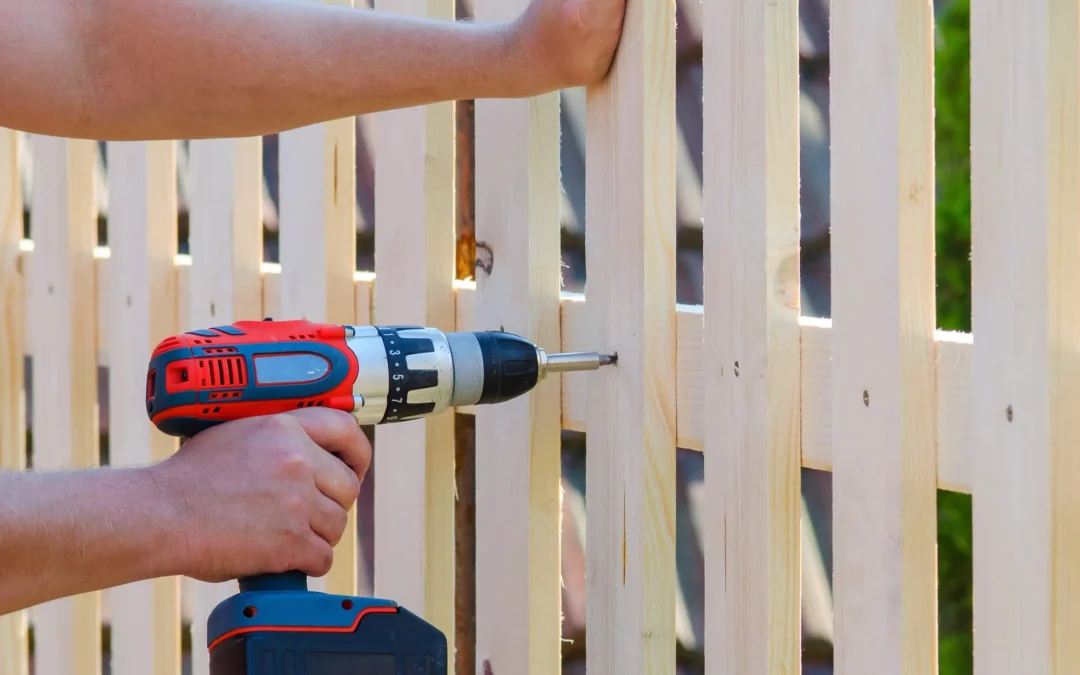
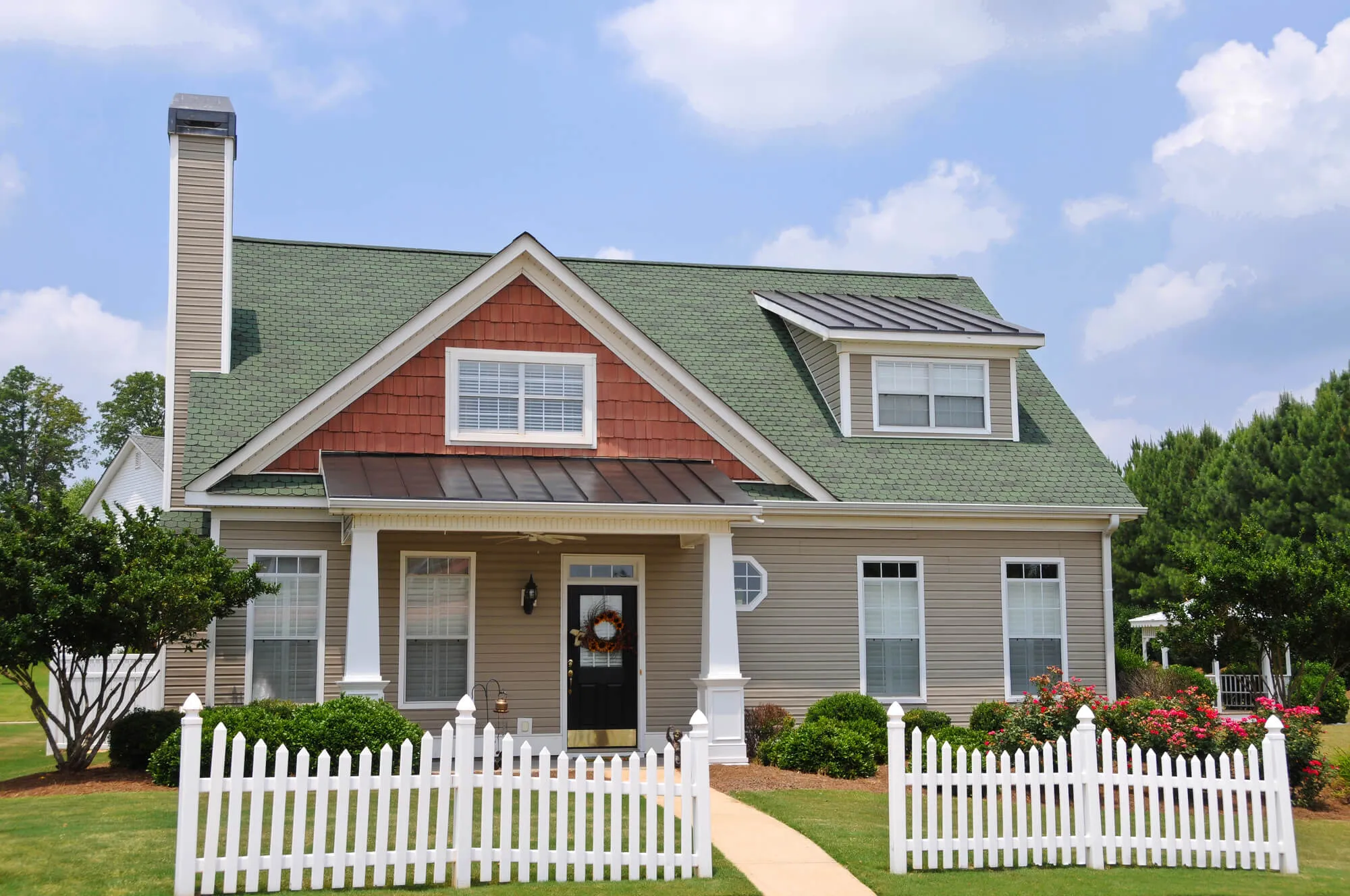
Pressure-treated wood remains one of the most widely used budget-friendly fencing materials for both residential and commercial properties. Its popularity comes from a combination of lower upfront cost, easy availability, and design flexibility. This material works well for privacy fences, perimeter fencing, and functional enclosures where customization matters. Boards can be arranged in solid panels, spaced pickets, or mixed-height designs to suit different needs and layouts.
The wood is treated to resist moisture, insects, and decay, which helps extend its lifespan compared to untreated lumber. With proper installation, including correct post depth and spacing, pressure-treated wood can remain stable for many years. While it does require periodic sealing or staining to maintain appearance and structural integrity, many property owners find this upkeep manageable. For those who value adaptability and reasonable initial investment, pressure-treated wood offers dependable performance without exceeding budget expectations.
Vinyl Fencing: Predictable Costs With Minimal Upkeep
Vinyl fencing is often viewed as a higher initial investment than wood, but its long-term affordability lies in its reduced maintenance requirements. Vinyl does not require painting, staining, or sealing, and it resists common issues such as moisture damage, insect activity, and color fading. These qualities help property owners avoid recurring expenses tied to upkeep and cosmetic repairs.
Modern vinyl fencing systems are engineered for strength when paired with reinforced posts and professional installation. Panels maintain their shape and color over time, supporting a consistent appearance year after year. Vinyl works particularly well for privacy fencing, offering clean lines and solid panels without ongoing maintenance responsibilities. For property owners seeking predictable, long-term costs and minimal involvement after installation, vinyl fencing supports affordability by reducing time, labor, and repair costs.
Chain Link Fencing: Practical and Efficient
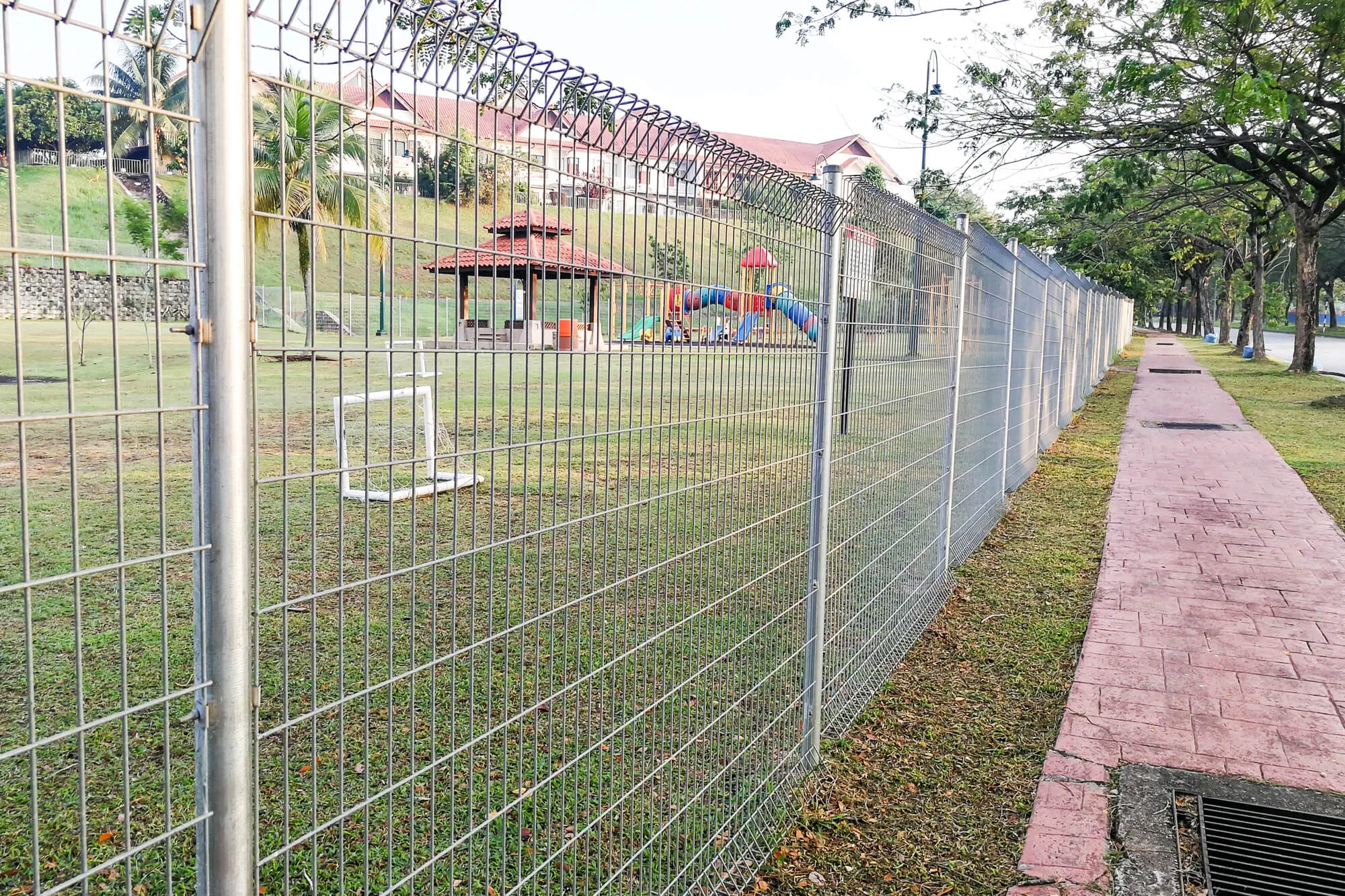
Chain link fencing remains one of the most economical choices for defining boundaries and managing access. It is commonly used in both residential and commercial settings where security, visibility, and durability take priority over decorative appeal. Its straightforward design makes installation efficient, helping keep overall project costs lower.
Galvanized or vinyl-coated chain link resists corrosion and performs reliably in a wide range of climates. The open structure allows visibility across the property, which can be useful for monitoring activity or maintaining clear sightlines. While chain link provides minimal privacy on its own, optional privacy slats or coatings can enhance appearance and function without dramatically increasing cost. For properties focused on containment, safety, and cost efficiency, chain link offers a dependable and affordable fencing solution.
Aluminum Fencing: Long-Term Value With Minimal Maintenance
Aluminum fencing offers a balance between affordability and long-term durability. While the initial cost is typically higher than that of chain link or basic wood, aluminum’s resistance to rust and corrosion helps reduce ongoing maintenance expenses. This makes ownership costs more predictable over time.
Aluminum fencing is often used in front yards, pool enclosures, and commercial properties where visibility is important. Its strength supports security needs without blocking sightlines, and its clean appearance enhances curb appeal. Because aluminum does not require painting or frequent repairs, property owners benefit from reduced upkeep. When maintenance costs and longevity are considered, aluminum fencing offers cost-effective value throughout its lifespan.
Installation Quality Influences Affordability
Even the most budget-friendly materials can fail early if installation is inconsistent. Post depth, spacing, anchoring, and alignment all affect how a fence performs over time. Improper installation often leads to leaning posts, sagging panels, or gate issues that require correction.
Affordable fencing depends not just on material choice but on proper planning and execution. Quality installation reduces the need for adjustments, protects material integrity, and extends lifespan, thereby directly affecting long-term costs.
Maintenance Planning Supports Long-Term Savings
Maintenance is often where affordability is either reinforced or undermined. Some fencing materials require routine attention to preserve their structure and appearance, while others are designed to remain stable with little ongoing care. Understanding these expectations before installation helps property owners avoid unexpected expenses tied to repairs, replacements, or cosmetic fixes.
Budget-friendly fencing works best when maintenance requirements match the owner’s time, resources, and long-term plans. A fence that needs frequent sealing, painting, or hardware adjustments may appear cost-effective at first but can become expensive and inconvenient over time. In contrast, materials that require less upkeep may carry a higher initial price but reduce long-term spending on labor and materials.
Planning for maintenance also supports consistent performance. When upkeep needs are realistic and manageable, fences remain functional, secure, and visually acceptable for longer periods. This proactive approach helps protect the original investment and prevents affordability from being compromised by avoidable maintenance costs.
Matching Fence Design to Property Use
A fence designed without considering how a property is used often leads to modifications later. Gates placed without accounting for vehicle access, foot traffic, or future changes can become costly problems.
Affordable fencing works best when the design reflects both current and future needs. Thoughtful planning reduces the likelihood of reconstruction, extensions, or replacements that inflate costs over time.
Residential and Commercial Affordability Considerations
Residential fencing often prioritizes privacy, safety, and appearance, while commercial fencing emphasizes security, access control, and durability. Budget-friendly materials exist for both applications, but priorities differ.
In residential settings, affordability often comes from balancing privacy with manageable maintenance. In commercial environments, long-term durability and reduced service interruptions play a larger role in cost control. Understanding these differences helps select materials that perform well without unnecessary expense.
Why Affordable Fencing Is a Planning Decision
Affordable fencing isn’t about choosing the least expensive option available. It’s about selecting materials, designs, and installation methods that support consistent performance over time. When planning considers climate, use, maintenance, and installation quality, affordability becomes a reliable outcome rather than a risk.
Property owners who invest time in planning often avoid the hidden costs tied to early repairs, replacements, and adjustments. Long-term value comes from fences that perform as expected year after year.
Affordable Fencing Starts With the Right Guidance
Choosing fencing materials, layouts, and installation methods can feel overwhelming without experienced guidance. Every property has different demands, from soil conditions and drainage to daily use and long-term exposure to the elements. A knowledgeable fencing provider helps evaluate these factors before decisions are made, reducing the risk of costly adjustments later.
Professional guidance also helps clarify trade-offs between upfront cost and long-term performance. Rather than focusing solely on price, a fencing professional considers durability, maintenance requirements, and how the fence will perform over time. This approach supports smarter material selection, proper placement, and installation methods that reduce wear and extend lifespan. When planning is informed by experience, affordable fencing becomes a strategic choice—one that protects your budget while delivering reliable performance year after year.

Looking for Affordable Fencing That Holds Up Over Time?
Affordable fencing works best when cost-conscious decisions are paired with thoughtful planning and experienced installation. If you’re evaluating options that need to perform reliably year after year, Budget Fence & Gate Systems brings decades of experience helping property owners find solutions that balance durability, function, and long-term value. Our team focuses on proper planning, quality workmanship, and fences built to last.
Contact Budget Fence & Gate Systems to discuss fencing options that fit your budget without sacrificing performance.
Recent Comments