Choosing a new fence sounds simple until you start comparing materials, prices, and how each one holds up under Florida’s relentless sun, humidity, and hurricane season.
Homeowners searching for affordable fencing often assume “affordable” just means the lowest price tag at checkout. But in South Florida, where heat, moisture, and salt air can wear down the wrong material fast, true affordability is about what a fence costs you over its entire lifespan, not just on installation day.
That’s why the real question isn’t “which fence is the cheapest?” but “which fence gives you the most value for your money?”
To answer that, knowing more about the three most popular fencing materials (PVC (vinyl), wood, and aluminum) and comparing them side by side on cost, durability, maintenance, and how well each one performs in our unique climate can help you determine which fence option is the best for you.
Why “Bang for Your Buck” Means More Than Just Price
Before comparing materials, it helps to define what “value” actually means when it comes to fencing. A true cost comparison should weigh four factors together:
- Upfront installation cost: what you pay on day one
- Maintenance requirements: ongoing time and money spent keeping it looking good
- Lifespan: how many years you’ll get before replacement is needed
- Climate resistance: how well the material holds up against Florida’s specific challenges
That last point matters more in Florida than in almost any other state in the country. South Florida properties deal with intense UV exposure, high humidity that accelerates rot, salt air that corrodes metal, and the occasional tropical storm or hurricane that puts every fence to the test.
A material that performs beautifully in a mild, dry climate might struggle here, and a fence that seems like a bargain upfront can end up being the most expensive option once you factor in repairs and early replacement.
The Best Fencing Materials
PVC (Vinyl) Fencing
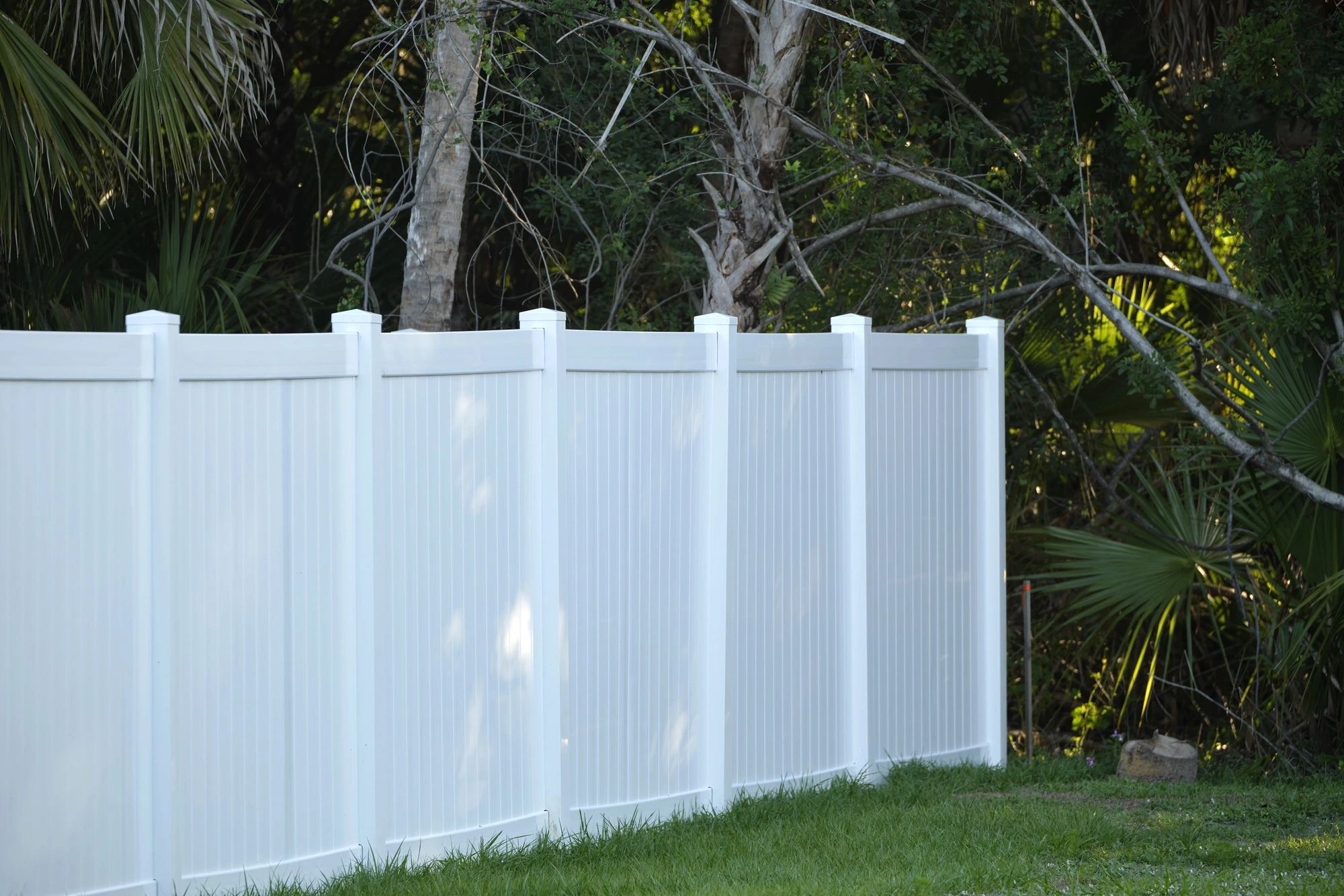
PVC, often called vinyl fencing, has become one of the most popular choices for South Florida homeowners who want privacy without a lot of upkeep. It’s a synthetic material engineered to resist the elements, making it a strong performer in our climate.
Upfront Cost
PVC typically falls in the middle of the pricing spectrum; more expensive than basic wood, but often less than premium aluminum styles.
Durability
This is where PVC shines. It doesn’t rot, warp, splinter, or rust, and it holds up exceptionally well against Florida’s humidity. Quality vinyl products are also formulated with UV inhibitors to resist fading and sun damage.
Maintenance
Vinyl fencing requires very little upkeep beyond the occasional rinse with a garden hose. There’s no staining, sealing, or repainting needed, ever.
Best For
This type of fence is the best option for homeowners who want maximum privacy, a clean and modern aesthetic, and a fence they can essentially “install and forget.” It’s a favorite around pools and backyards where solid panel privacy is a priority.
Value Verdict
While the initial investment is higher than wood, PVC’s near-zero maintenance and long lifespan (often 20 to 30 years) make it one of the smartest long-term investments among the three options.
Wood Fencing
Wood remains a timeless choice, and it’s often the first material homeowners consider because of its lower starting price and classic curb appeal.
Upfront Cost
Wood is generally the most budget-friendly option at the time of installation, which is why it remains popular for homeowners working with a tighter initial budget.
Durability
This is where wood requires more careful consideration in the Florida climate. Standard lumber is vulnerable to rot, termites, and warping when exposed to South Florida’s humidity year-round. Pressure-treated wood, along with naturally rot-resistant species like cedar or cypress, performs significantly better and is strongly recommended for longevity.
Maintenance
Wood needs the most ongoing care of the three materials. Periodic staining, sealing, or repainting is necessary to protect it from moisture and sun damage, and skipping this maintenance can considerably shorten its lifespan.
Best For
Homeowners who love a natural, traditional look and don’t mind investing time (or a maintenance budget) into upkeep over the years might want to opt for this type of fence.
Value Verdict
Wood offers the lowest barrier to entry, but the ongoing maintenance costs and shorter typical lifespan (often 10 to 15 years, even with good care) can close the value gap with PVC or aluminum over time.
Aluminum Fencing
Aluminum has earned a strong reputation in coastal climates for one simple reason: it doesn’t rust. That alone makes it a compelling option for South Florida properties near the water or exposed to salt air.
Upfront Cost
Aluminum typically carries the highest initial price tag of the three materials, especially for ornamental or powder-coated styles.
Durability
Aluminum is lightweight yet strong, and it resists corrosion, warping, and fading far better than most other materials. It’s particularly well-suited to coastal Florida conditions where salt air quickly deteriorates untreated metal.
Maintenance
Once installed, aluminum fencing requires very little attention. Powder-coated finishes maintain their appearance for years without repainting or refinishing.
Best For
This material works the best for pool enclosures, front-yard fencing, and commercial properties where visibility and security matter more than full privacy. Aluminum’s open, elegant design complements a wide range of architectural styles without blocking sightlines.
Value Verdict
The higher upfront cost is offset by minimal maintenance and an impressive lifespan (often 20 years or more), making it one of the most cost-effective options when you calculate value over the long haul.
Which Option Wins for South Florida Homeowners?
Here’s the honest answer: there isn’t a single “best” material for everyone; there’s a best material for your priorities.
If privacy and low maintenance top your list, PVC is hard to beat. If you’re working with a tighter upfront budget and love a natural aesthetic, wood can still be a smart choice as long as you commit to regular maintenance and choose a rot-resistant species.
And if you want a fence that shrugs off salt air, humidity, and decades of Florida weather with almost no upkeep, aluminum delivers exceptional long-term value.
The bigger takeaway is this: South Florida’s climate changes the math on what counts as “affordable.” A fence that looks like a bargain today can end up costing more over a decade if it needs frequent repairs, repainting, or early replacement. That’s why it’s worth thinking in terms of total cost of ownership rather than just the number on your initial quote.
If a higher-value material like aluminum or PVC feels out of reach upfront, financing can help close that gap. Some fencing companies offer great financing options to help you afford the fence that best fits your needs. This is why working with a trusted and experienced fencing team is key to having a good overall installation experience.
Frequently Asked Questions
Which fence material lasts the longest in Florida’s climate?
Aluminum and PVC typically outperform wood in longevity, thanks to their natural resistance to rot, rust, and humidity-related damage. Both can last 20 years or more with minimal upkeep.
Is wood fencing a bad choice in South Florida?
Not at all, but it does require more care. Pressure-treated wood or naturally durable species like cedar and cypress hold up well, as long as you’re committed to periodic staining and sealing.
Which fence is the most affordable upfront?
Wood generally has the lowest initial installation cost, followed by PVC, while aluminum is typically the most expensive to install upfront.
Does aluminum fencing rust near the coast?
No. Quality aluminum fencing with a powder-coated finish resists corrosion even in salt-air environments, making it one of the best options for coastal properties.
Can I finance a higher-end fence material?
Yes. Budget Fence and Gate Systems offers a 15-month, 0% interest financing program (if qualified), making premium materials like aluminum or PVC more accessible without a high upfront cost.
How do I know which material is right for my property?
It depends on your priorities: privacy, budget, maintenance tolerance, and property type all play a role. A free on-site quote can help match the right material to your specific needs and location.
Which fence material adds the most resale value to a home?
Aluminum and PVC often have a slight edge for resale since buyers associate them with lower maintenance, but a well-maintained wood fence with strong curb appeal can also boost value; it depends on the style and condition.
Can I mix materials for my fence, like using aluminum for the front yard and wood for privacy in the backyard?
Absolutely, many homeowners combine materials strategically to balance curb appeal, privacy, and budget across different areas of their property.
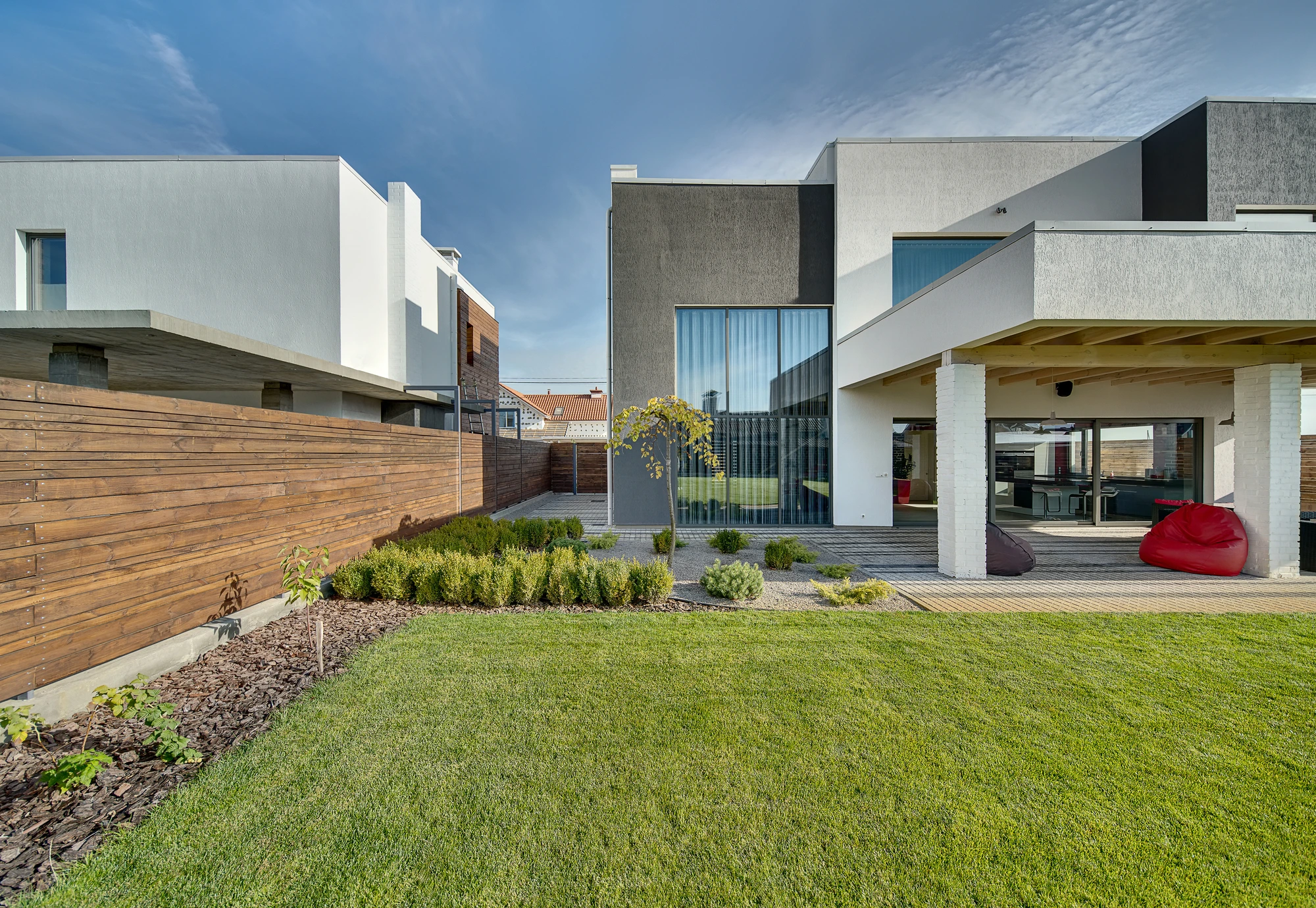
Ready for Affordable Fencing That Fits Your Budget and Your Florida Lifestyle?
Whether you’re leaning toward low-maintenance PVC, classic wood, or durable aluminum, our team at Budget Fence and Gate Systems has been helping homeowners across Palm Beach, Martin, and St. Lucie counties find the right fit since 1950.
We can walk you through the pros and cons of each material based on your property, priorities, and budget, so you invest in a fence built to last. Contact us today for a free quote, and ask about our 15-month, 0% interest financing program to get the best fence for your budget without compromising on quality.
Recent Comments