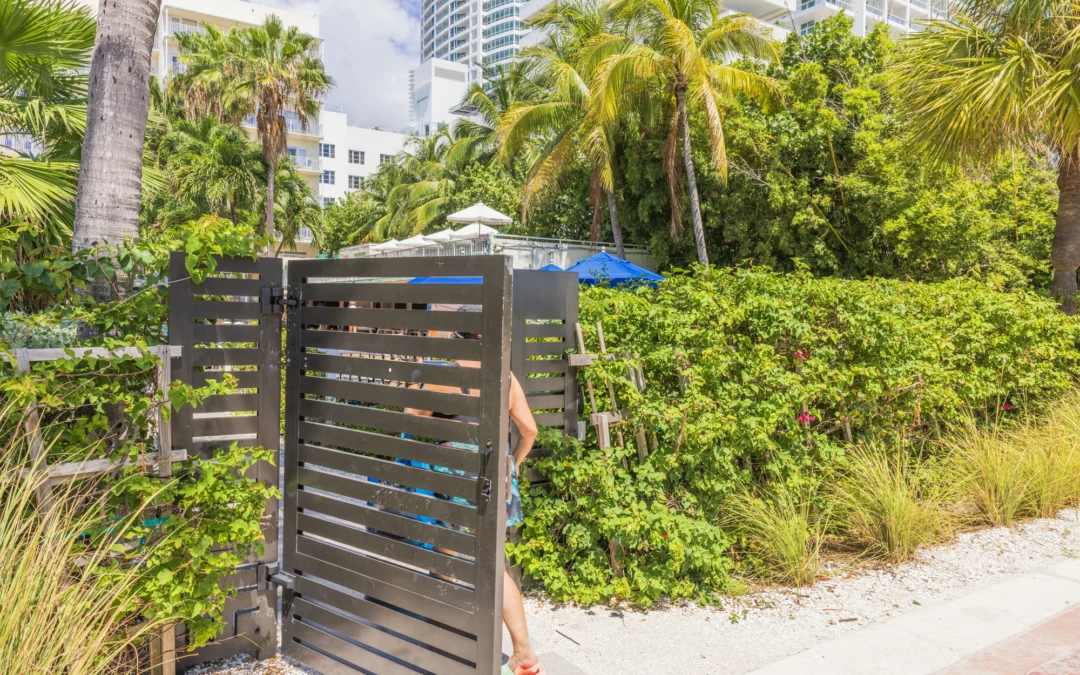
Florida homeowners already know that hurricane season brings more than heavy rain and strong winds. Tropical storms, hurricanes, flooding, and flying debris can all cause serious damage to homes and outdoor structures, including fences.
While fences provide privacy, security, and curb appeal, they can also become vulnerable during severe weather if they are not properly designed or installed.
Every year, homeowners across Florida deal with leaning fence posts, broken panels, damaged gates, and complete fence failures after major storms. Repairing or replacing a damaged fence can be costly, especially when the original installation was not designed to withstand extreme weather conditions.
The good news is that certain materials, designs, and installation methods can help improve a fence’s ability to withstand hurricane conditions.
By understanding what makes a fence more resistant to high winds and heavy rain, homeowners can make smarter decisions that protect both their property and their investment. This can be key when choosing the right fence company in West Palm Beach.
Why Hurricane Resistance Matters for Florida Fences
Florida experiences some of the most challenging weather conditions in the country. Hurricane-force winds, torrential rain, storm surges, and saturated soil can place tremendous stress on fencing systems.
A damaged fence can create several problems, including:
- Reduced privacy and security
- Safety hazards for family members and neighbors
- Property damage from falling sections
- Expensive repairs or complete replacement
- Difficulty containing children and pets
Because fences often serve as the first line of protection around a property, their ability to withstand severe weather is extremely important.
How Hurricanes Damage Fences
Hurricanes affect fences in several different ways. Understanding these threats can help homeowners identify potential weaknesses before a storm arrives.
High Winds
Strong winds place enormous pressure on fence panels. Solid fences can act like sails, catching wind and transferring that force directly to posts and rails.
Common wind-related damage includes:
- Leaning posts
- Broken rails
- Detached panels
- Entire fence sections collapsing
The stronger the wind, the greater the stress placed on the structure.
Heavy Rain and Saturated Soil
Florida storms often bring significant rainfall. When the soil becomes saturated, fence posts can lose stability.
Excess moisture may lead to:
- Soil erosion
- Shifting foundations
- Loose posts
- Increased movement within the fence structure
Over time, repeated exposure to wet conditions can weaken even well-built fences.
Flying Debris
Tree branches, lawn furniture, and other debris become dangerous during hurricanes. These objects can strike fence panels and gates, causing cracks, dents, and structural damage.
Debris impacts often occur even when the fence itself is structurally sound.
Best Fence Materials for Hurricane-Prone Areas
Choosing the right material is one of the most important decisions homeowners can make, especially when taking into account how weather interacts with certain materials.
Aluminum Fencing
Aluminum fencing is widely considered one of the best options for hurricane-prone areas.
Benefits of Aluminum Fencing
- Open design allows wind to pass through
- Rust-resistant material
- Lightweight yet durable construction
- Minimal maintenance requirements
Because aluminum fences create less wind resistance, they often perform better during severe weather.
Vinyl Fencing
Vinyl fencing offers excellent resistance to moisture, insects, and rot.
Benefits of Vinyl Fencing
- Low maintenance
- Resistance to moisture damage
- Long lifespan
- Clean appearance
However, fully solid vinyl panels may experience increased wind pressure. Reinforced posts and proper installation become especially important when building a wind-resistant fence.
Wood Fencing
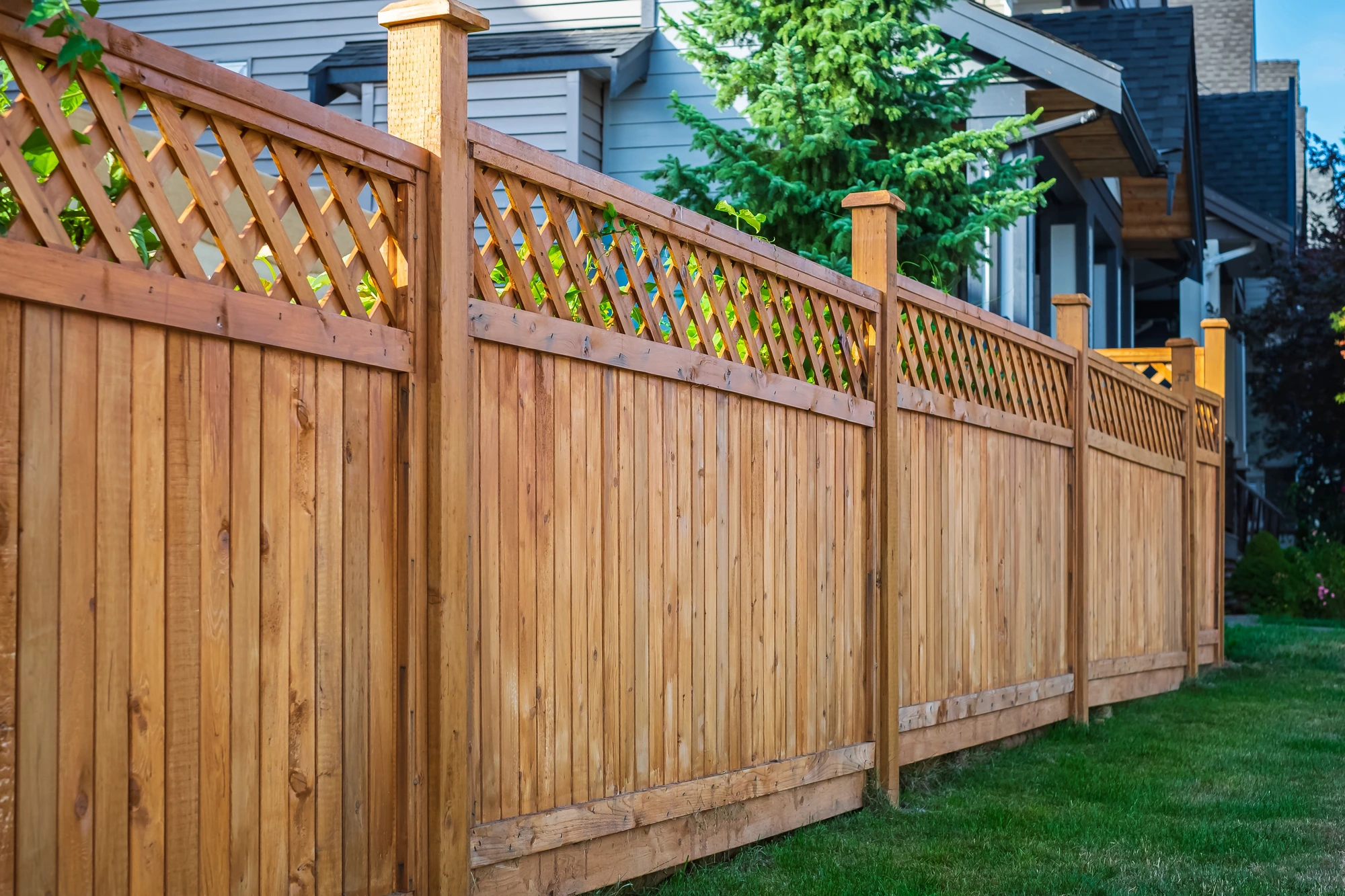
Wood fences remain popular for privacy and curb appeal. However, their hurricane resistance depends largely on design and installation.
Properly installed wood fences can perform well when:
- Posts are deeply anchored
- High-quality hardware is used
- Regular maintenance is performed
Without proper care, wood can deteriorate due to Florida’s humidity and moisture.
Chain Link Fencing
Chain link fencing is often one of the most storm-resistant options available.
Benefits of Chain Link Fences
- Excellent airflow
- Minimal wind resistance
- Affordable installation costs
- Strong galvanized steel construction
Because wind can pass directly through the mesh, chain link fences often suffer less damage during hurricanes.
Fence Designs That Perform Better in High Winds
The design of a fence can significantly impact how it performs during severe weather.
Open and semi-private designs typically handle strong winds better than completely solid barriers.
Some examples include:
- Shadowbox fences
- Spaced picket fences
- Decorative aluminum fencing
- Semi-private wood designs
These styles allow air to move through the fence rather than placing all the pressure on one surface.
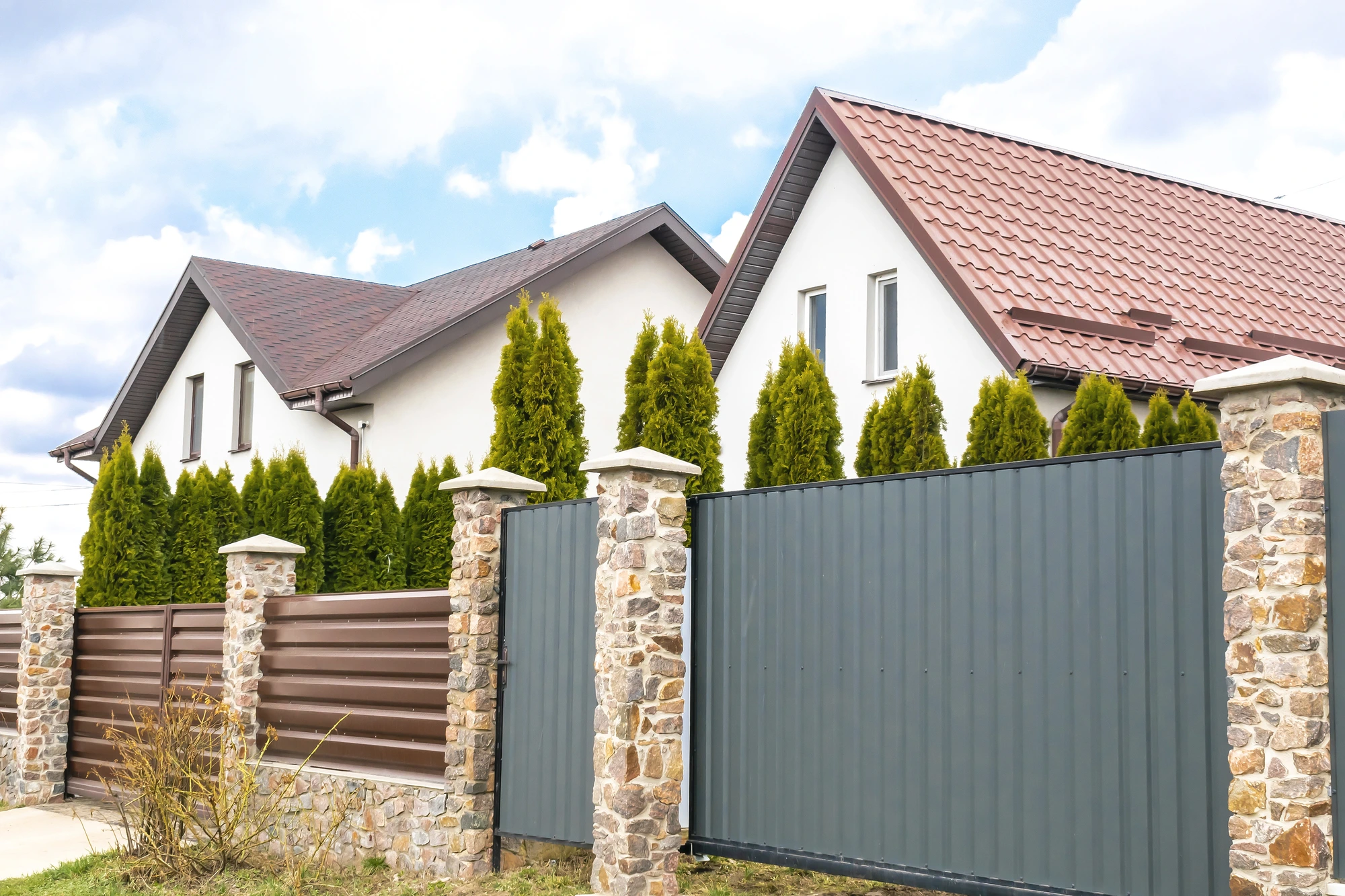
Completely solid privacy fences can still perform well, but they often require stronger posts, deeper foundations, and professional installation.
The Importance of Proper Fence Installation
Even the strongest fencing material can fail if it is not installed correctly.
Several installation factors contribute to hurricane resistance:
- Proper post depth
- Concrete footings
- Appropriate post spacing
- Reinforced gate posts
- High-quality fasteners and hardware
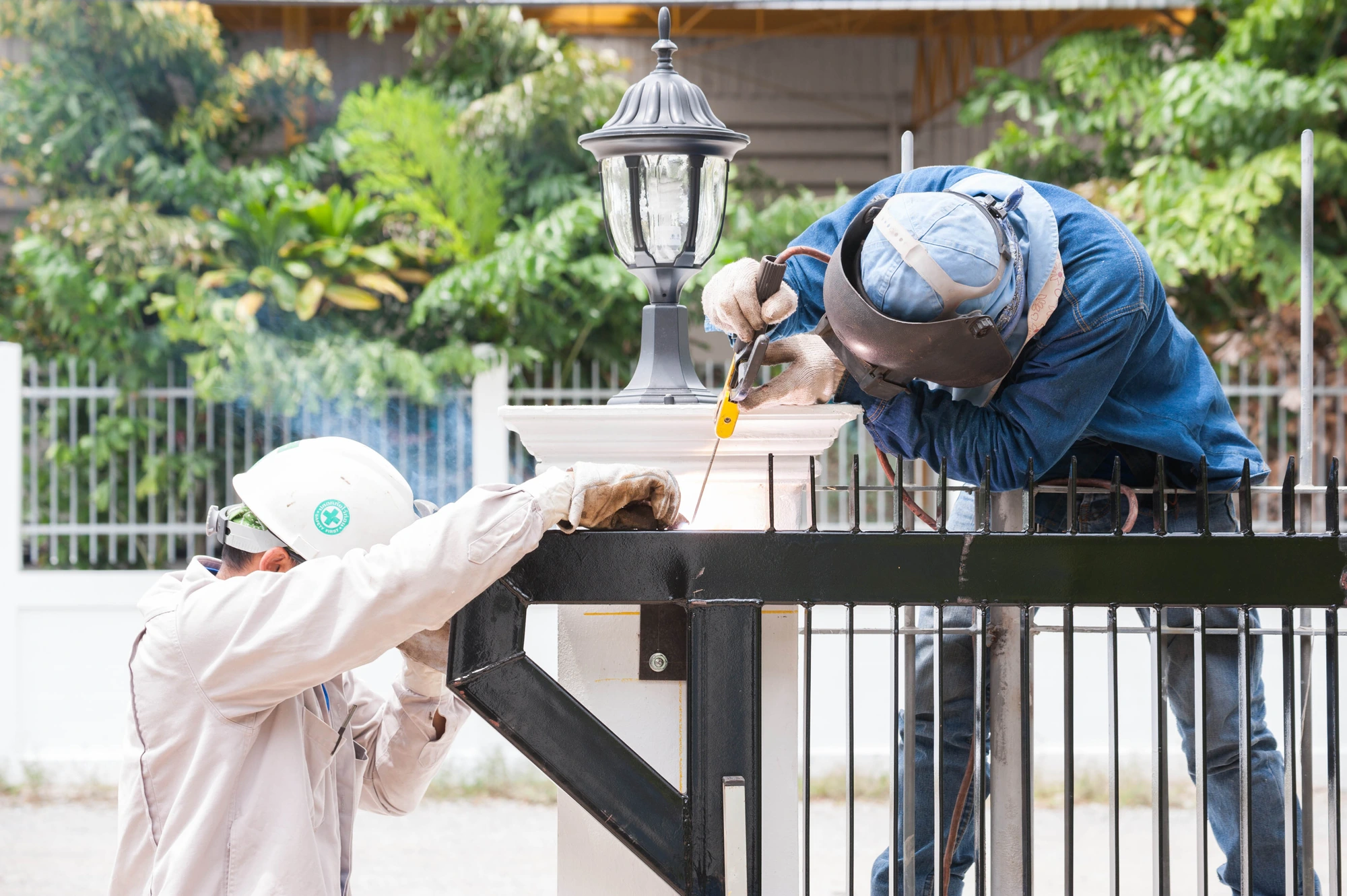
Professional installation helps ensure these factors are properly addressed. Experienced installers understand Florida soil conditions, local weather challenges, and building requirements. Their expertise often makes the difference between a fence that survives a storm and one that requires major repairs.
Hurricane Preparation Tips for Homeowners
Preparing your fence before hurricane season can reduce the risk of damage.
Consider taking the following steps:
- Inspect all posts for movement.
- Tighten loose screws and hardware.
- Replace damaged boards or panels.
- Remove debris from the yard.
- Trim nearby trees and branches.
- Test gate hinges and latches.
- Schedule a professional inspection.
Addressing small issues early can help prevent larger problems during severe weather.
Signs Your Fence May Not Withstand a Hurricane
Not every fence is prepared for hurricane conditions. Certain warning signs may indicate structural weaknesses.
Look for:
- Leaning or unstable posts
- Rotting wood
- Rusted metal components
- Loose rails
- Cracked panels
- Sagging gates
- Previous storm damage
If these problems are present, repairs or reinforcement may be necessary before the next storm season.
Repairing Storm-Damaged Fences
After a hurricane, homeowners should inspect their fence carefully.
Minor issues may include:
- Loose boards
- Bent hardware
- Small cracks
- Cosmetic damage
More serious damage can involve:
- Fallen sections
- Broken posts
- Major structural failure
- Damaged gates
Professional inspections can help determine whether repairs are sufficient or if replacement is the better option. Safety should always be a priority, especially if electrical gate systems or damaged structures are involved.
Repair vs. Replacement After Hurricane Damage
Not every damaged fence requires complete replacement. The right decision often depends on several factors.
Consider:
- Age of the fence
- Overall condition
- Extent of the damage
- Cost of repairs
- Future durability
Older fences with widespread damage may benefit from replacement, especially if newer materials and improved installation methods can provide greater protection. In some cases, investing in a stronger fence can reduce future repair costs.
Investing in Long-Term Fence Durability
A fence is a long-term investment. Choosing durable materials and proper installation methods can help homeowners avoid repeated storm damage.
Long-term strategies include:
- Selecting weather-resistant materials
- Performing routine maintenance
- Scheduling inspections
- Repairing small issues quickly
- Upgrading older fencing systems
Preventive care often costs far less than major repairs after a hurricane.
Frequently Asked Questions
What type of fence is the most hurricane-resistant?
Aluminum and chain link fences are often considered the most hurricane-resistant options because their open designs allow wind to pass through more easily.
Can wood fences survive hurricanes?
Yes. Properly installed wood fences with strong posts and quality construction can withstand many storms, although they may require more maintenance than other materials.
Is aluminum fencing good for Florida weather?
Aluminum performs very well in Florida because it resists rust, moisture, and corrosion while allowing airflow during high winds.
How deep should fence posts be in Florida?
The ideal depth varies depending on the fence type, soil conditions, and local requirements. Professional installers can determine the appropriate depth for maximum stability.
Should fence panels be removed before a hurricane?
In some situations, removing non-essential panels may reduce wind pressure. However, homeowners should consult a fencing professional before removing any structural components.
Can storm-damaged fences be repaired?
Many damaged fences can be repaired if the structural damage is limited. Severe damage may require partial or complete replacement.
How often should I inspect my fence?
Homeowners should inspect their fences at least twice a year and after any major storm event.
Does homeowner insurance cover hurricane fence damage?
Coverage varies depending on the policy. Homeowners should review their insurance coverage and speak with their provider to understand what damage may be covered.
Protect Your Property with the Right Fence
Florida homeowners face unique weather challenges, but choosing the right fence can make a significant difference. Durable materials, proper installation, and regular maintenance all contribute to a fence’s ability to withstand hurricanes and severe storms.
By understanding the risks and taking proactive steps, homeowners can protect their investment, improve safety, and reduce the likelihood of costly repairs after a storm.
Expert Fence Installation and Repairs You Can Trust with the Best Fence Company in West Palm Beach
Whether you’re installing a new fence, upgrading an older system, or repairing storm damage, our team of experienced professionals at Budget Fence and Gate Systems can help ensure long-lasting results.
Contact us today for expert fence installation and repair services. Our team can help you select durable fencing solutions designed for Florida weather and provide the professional installation and repairs needed to protect your property for years to come.
Recent Comments