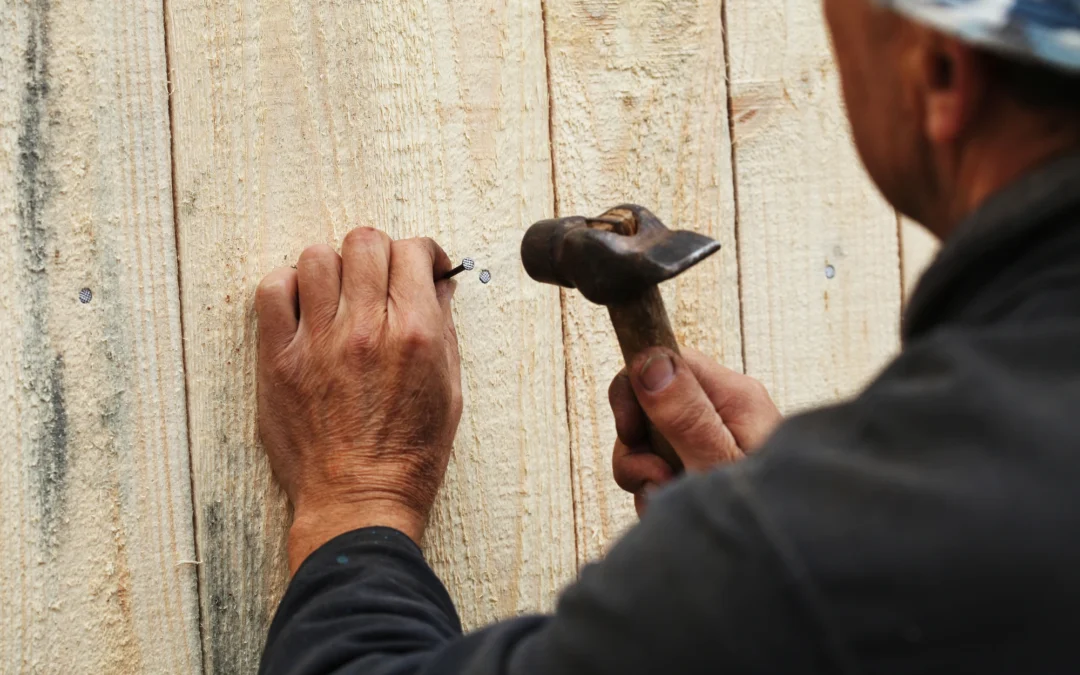
Fences play a vital role in protecting your property, enhancing privacy, and improving curb appeal. Whether you have a wood, vinyl, aluminum, or chain link fence, it serves as both a functional and visual boundary for your home or business.
However, no fence is immune to wear and tear. Over time, even the most durable fencing systems can develop issues that require repair. Understanding what causes fence damage is the first step toward preventing costly problems and extending the life of your investment.
This is especially important in Florida, where the climate presents unique challenges that can accelerate fence deterioration. So, if you are looking into fence repairs, it’s important to know what the most common causes of fence damage are, how Florida weather plays a role, and what you can do to protect your fence for the long term.
Weather and Environmental Damage
One of the leading causes of fence damage (particularly in Florida) is the weather. The state’s climate is known for its high humidity, frequent rain, intense sun, seasonal storms, and sometimes even hurricanes, all of which can take a toll on fencing materials.
Moisture and Rain
Florida experiences heavy rainfall throughout the year, especially during the summer months. Constant exposure to moisture can have serious effects on fences.
- Wood fences may develop rot, mold, or mildew
- Metal fences can begin to rust and corrode
- Fence posts may weaken as the soil becomes saturated
Over time, this moisture damage can compromise the structural integrity of your fence, leading to leaning or collapse if not addressed.
Wind and Storm Damage
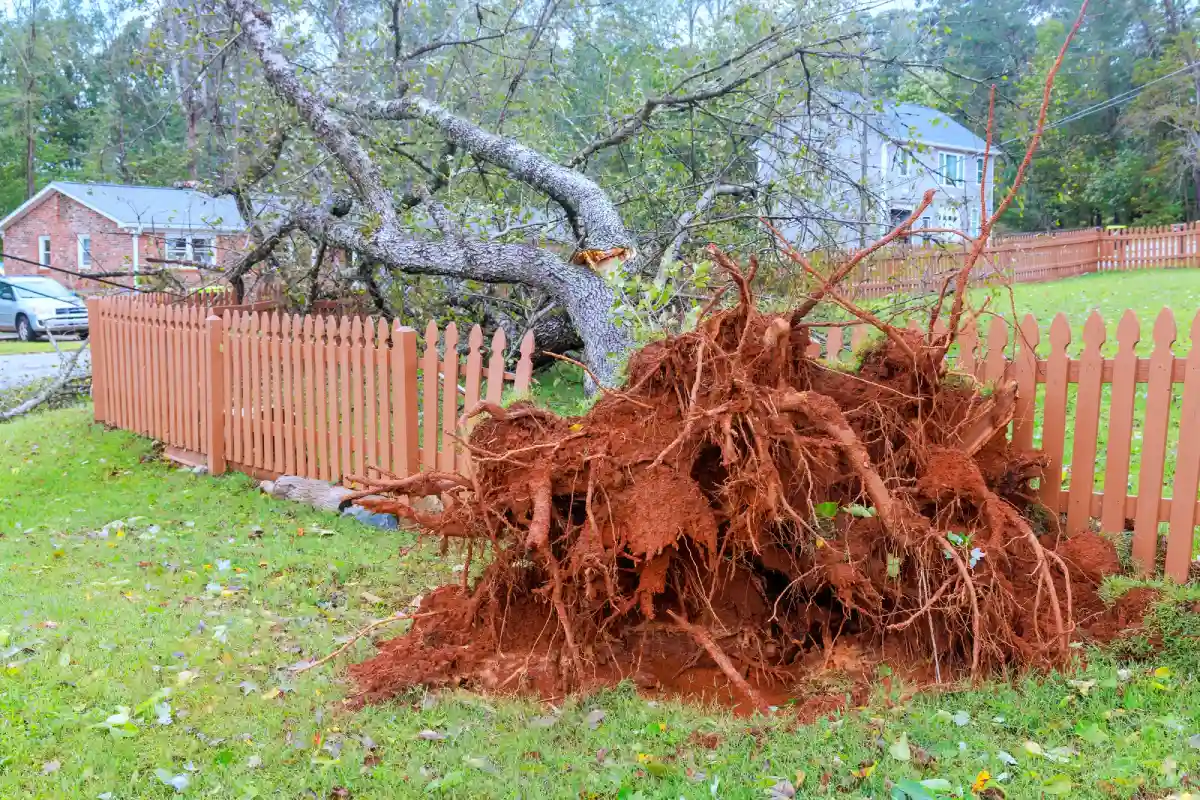
Florida is no stranger to strong winds, tropical storms, and hurricanes. These weather events can cause sudden and severe fence damage.
High winds can:
- Loosen or uproot fence posts
- Break panels or rails
- Send debris crashing into fencing
Even a well-built fence can suffer damage if it is not designed to withstand the extreme weather conditions common in Florida.
Sun Exposure and Heat
The Florida sun is intense, and prolonged exposure to UV rays can degrade fencing materials over time.
- Wood may crack, warp, or fade
- Vinyl can become brittle or discolored
- Paint and finishes may peel or deteriorate
This constant exposure weakens the fence’s protective layers, making it more vulnerable to additional damage.
Poor Installation or Low-Quality Materials
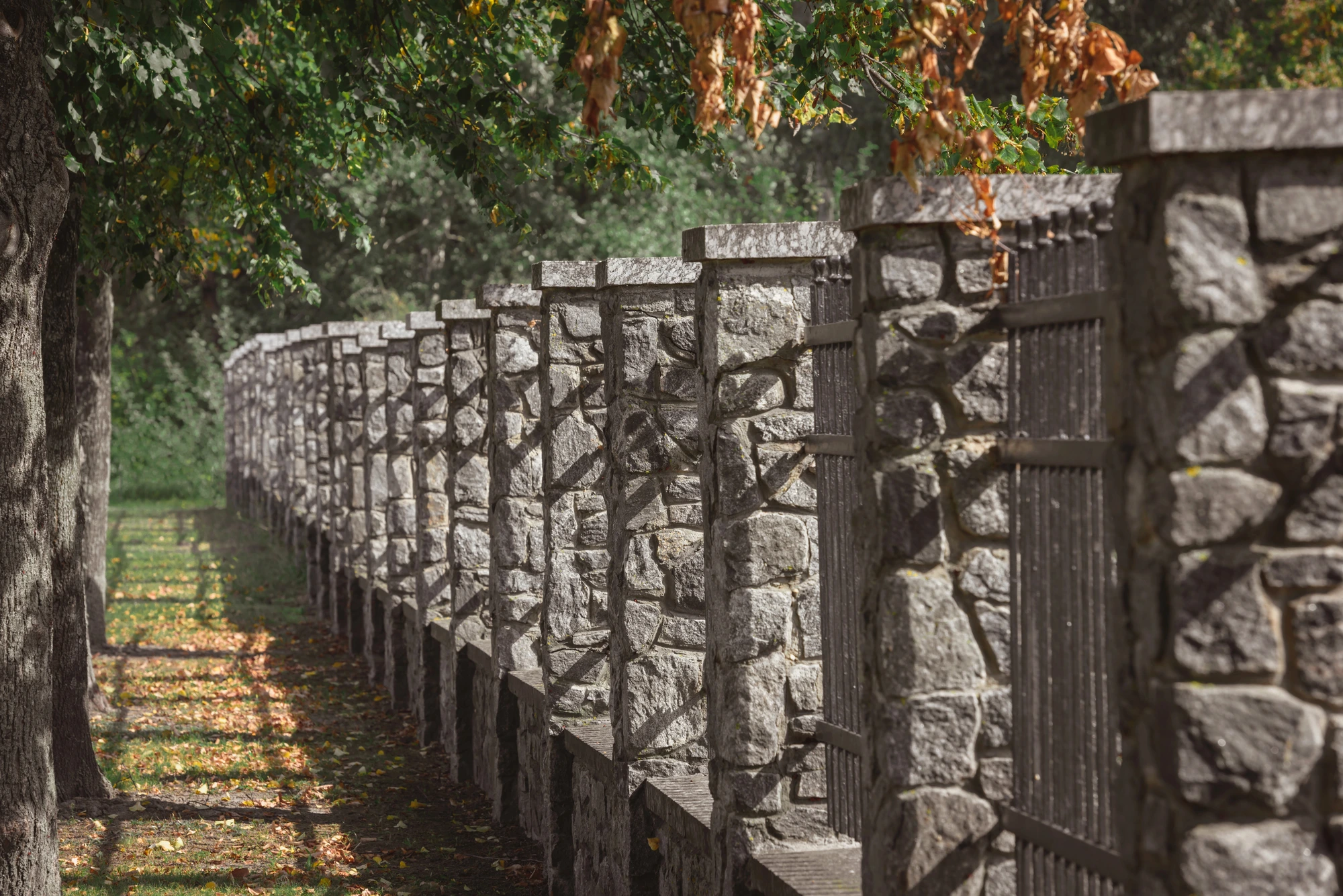
Not all fence damage is caused by external factors: sometimes the issue starts with how the fence was built. Low-quality materials or the wrong installation can cause your fence to quickly deteriorate.
Improper Post Installation
Fence posts are the foundation of any fence. If they are not installed correctly, problems can develop quickly.
Common issues include the following:
- Posts set too shallow in the ground
- Lack of proper anchoring or concrete support
- Misalignment during installation
These problems often lead to leaning or unstable fences, especially during heavy rain or wind.
Inferior Materials
Using low-quality materials may save money upfront, but it often leads to higher repair costs later.
The following is what happens if you use low-quality materials:
- Untreated wood is prone to rot
- Thin metal bends or rusts easily
- Low-grade vinyl may crack under pressure
Investing in durable materials is essential for long-term performance, particularly in Florida’s demanding climate.
Lack of Protective Treatments
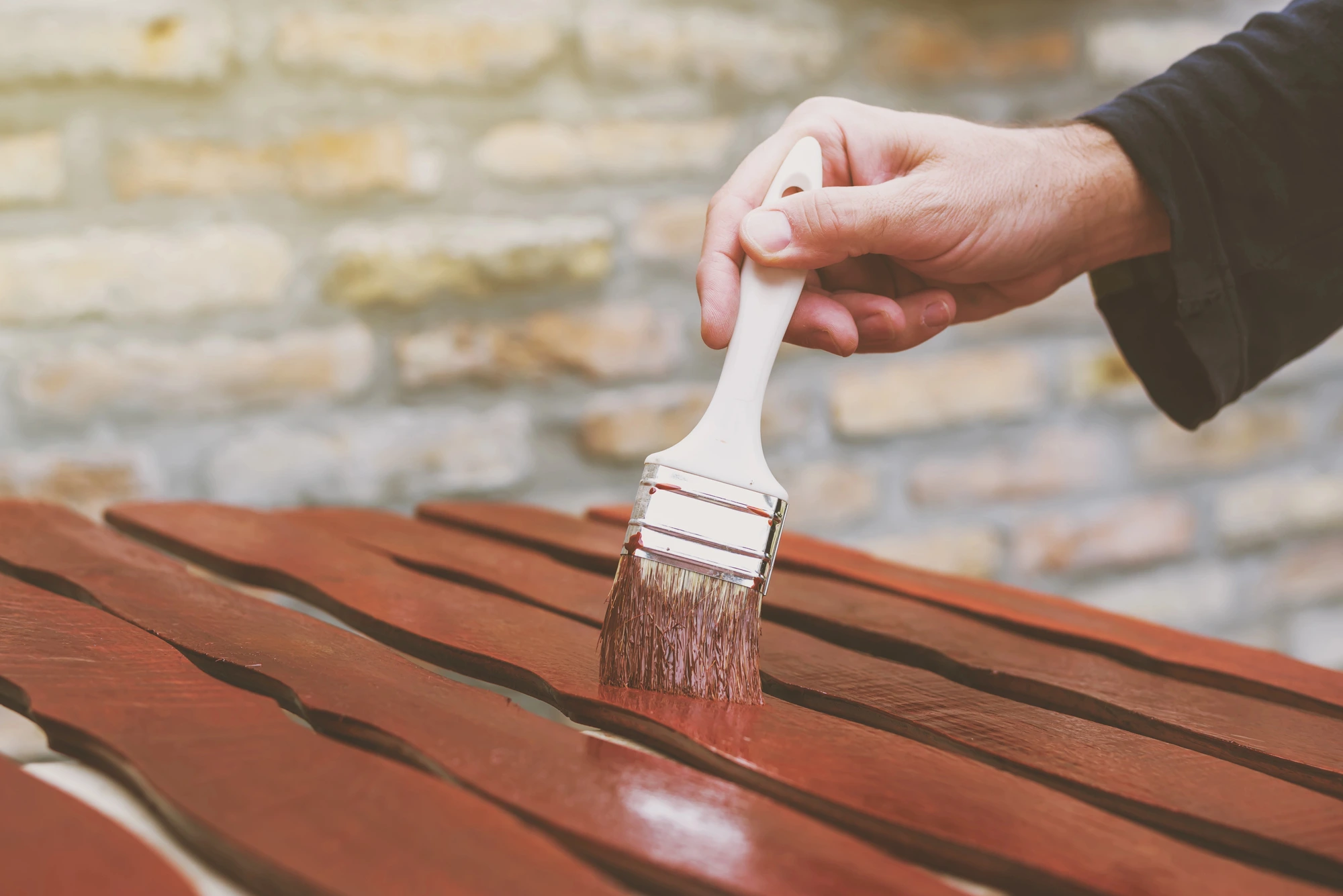
Protective coatings such as sealants, wood stains, or rust-resistant finishes play a key role in preserving your fence.
Without these treatments:
- Wood absorbs moisture more easily
- Metal becomes more susceptible to corrosion
- Overall lifespan is significantly reduced
Lack of Routine Maintenance
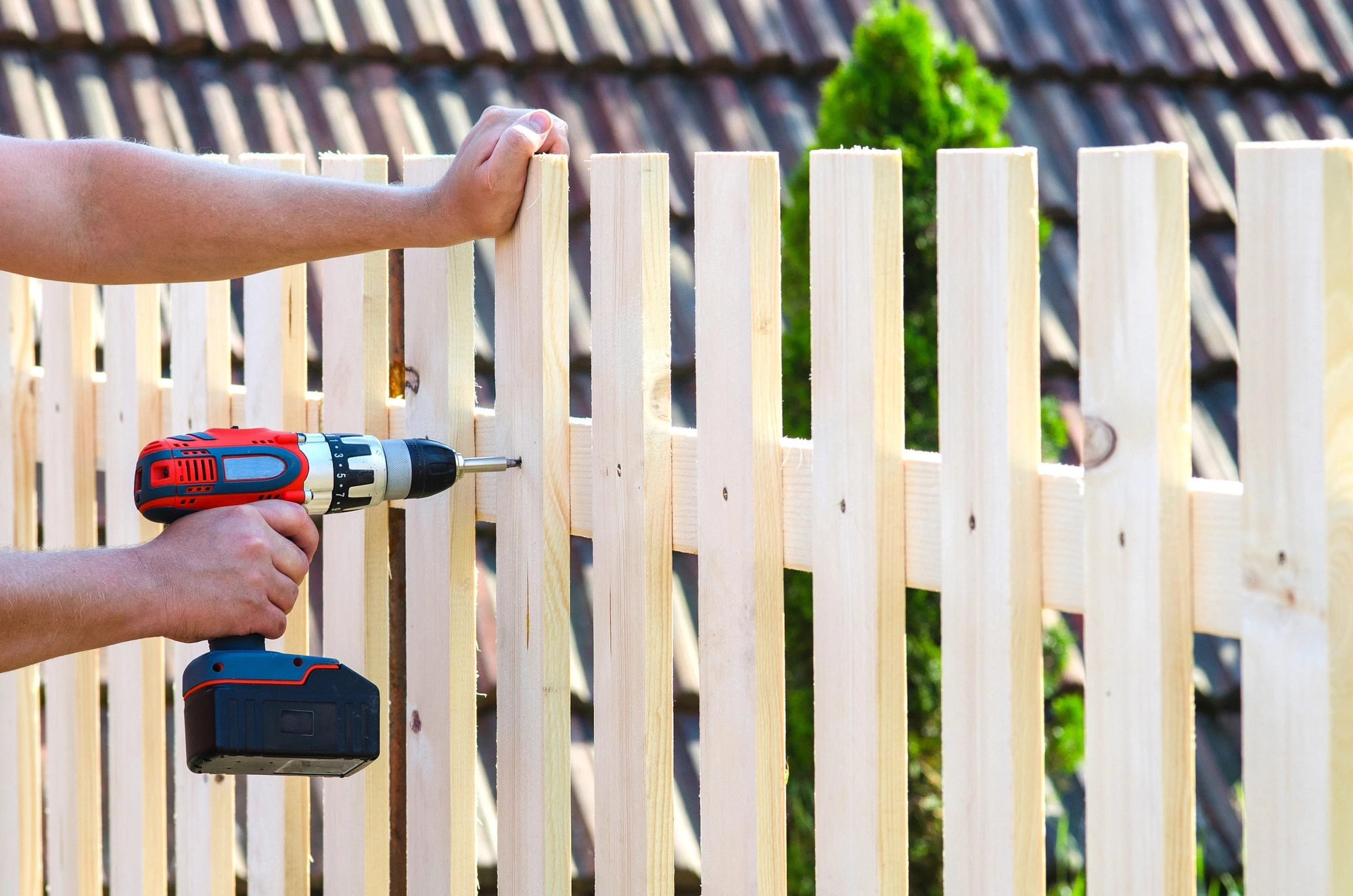
What most people don’t consider when building a fence is that even a well-built fence requires regular maintenance. Neglecting basic upkeep is one of the most preventable causes of fence damage.
Over time, small issues can develop into major problems if left unaddressed.
Common Maintenance Oversights
- Failing to seal or stain wood fences
- Ignoring rust spots on metal components
- Not tightening loose screws or fasteners
- Allowing debris to accumulate along the fence line
Routine inspections (at least twice a year) can help identify and fix these issues early, saving time and money in the long run.
Physical Damage and Accidents
When you install a new fence, you have to expect the unexpected. Fences are exposed to daily activity, which makes them vulnerable to accidental damage.
Impact from Vehicles or Equipment
Accidental impacts are more common than many homeowners realize.
Examples include:
- Lawn equipment hitting fence panels
- Vehicles backing into gates or posts
- Construction work causing structural damage
Accidentally backing into your own fence is extremely common. Even minor impacts can weaken a fence and lead to larger problems over time.
Falling Trees or Branches
Florida storms often bring down tree limbs or entire trees. When this happens, fences are often the first structures to be damaged.
This type of damage is typically:
- Sudden and severe
- Costly to repair
- Difficult to prevent without proactive tree maintenance
Pressure from Pets or Livestock
Animals can also contribute to fence damage.
- Dogs may dig under fences
- Livestock may lean or push against them
- Repeated pressure can loosen posts or break panels
Over time, this constant stress can significantly weaken your fence.
Pest and Biological Damage
One of the most difficult types of damage to solve is biological damage. Florida’s warm and humid environment creates ideal conditions for pests and biological growth that can damage fences.
Termites and Wood-Destroying Insects
Wood fences are particularly vulnerable to termite infestations.
These pests:
- Feed on wood from the inside out
- Often go unnoticed until significant damage occurs
- Can compromise the structural strength of the fence
Mold, Mildew, and Fungi
High humidity levels in Florida promote the growth of mold and mildew.
These organisms:
- Break down organic materials like wood
- Cause discoloration and decay
- Weaken the overall structure
Regular cleaning and treatment can help reduce this risk.
Soil Movement and Ground Issues
The ground beneath your fence plays a critical role in its stability. The structural base of your fence is underground; if the ground shifts, this will definitely have an impact on the structure of your fence.
In Florida, soil conditions can change due to:
- Heavy rain and flooding
- Erosion
- Shifting or settling ground
When soil moves, fence posts can become loose or misaligned, leading to leaning or sagging sections.
Natural Aging and Wear
Even with proper care, all fences eventually show signs of aging.
Over time:
- Wood may warp or rot
- Metal may corrode
- Vinyl may lose flexibility
While aging is unavoidable, proper maintenance and timely repairs can significantly extend your fence’s lifespan.
Signs Your Fence Needs Repairs
Even the most durable fence is going to need maintenance from the get-go. All fences require repairs at some point in their lifespan. Recognizing early warning signs can help you address issues before they become more serious.
Common Indicators
- Leaning or sagging sections
- Cracked or broken boards
- Rust or corrosion
- Loose posts or fasteners
- Gates that stick or don’t close properly
If you notice any of these signs, it’s best to act quickly to prevent further damage. A quick cursory inspection of your fence every now and then goes a long way in prolonging your fence’s lifespan.
How to Prevent Fence Damage
While some damage is unavoidable, many issues can be prevented with proactive care.
Preventive Steps
- Conducting regular inspections
- Applying sealants or protective coatings
- Cleaning your fence to remove dirt and debris
- Repairing minor issues as soon as they appear
- Choosing high-quality materials during installation
Taking these steps can help you avoid costly repairs and extend the life of your fence.
Fence Repair vs Replacement
At some point, you may need to decide whether to repair your fence or replace it entirely. This entirely depends on what your specific fence is made of, and how good the installation was, among other factors.
When Repairs are Sufficient
- Damage is minor or localized
- The fence is relatively new
- The structure is still stable
When Replacement is Necessary
- Damage is widespread
- The fence is old and deteriorating
- Repair costs approach the cost of a new fence
A professional inspection can help you determine the most cost-effective solution.
Final Thoughts on Fence Damage and Repairs
Fence damage is often the result of multiple factors working together; especially in a climate like Florida’s, where weather, moisture, and environmental conditions can accelerate wear and tear.
By understanding the most common causes of damage and taking proactive steps to maintain your fence, you can protect your investment and avoid costly repairs. Regular inspections, quality materials, and timely repairs all play a key role in keeping your fence strong, secure, and visually appealing.
Restore Your Privacy with Expert Fence Repairs
If your fence is showing signs of damage, addressing the issue early can save you time, money, and stress. At Budget Fence and Gate Systems, we offer professional repairs that ensure your fence is restored safely and effectively, helping it stand up to Florida’s demanding conditions.
Contact us today or schedule an appointment online to receive a quote and learn how our team can provide high-quality fence repair services with excellent workmanship and reliable results. We’re here to help you protect your property and keep your fence in top condition for years to come.
Recent Comments