Proper fencing is one of the most important investments you can make as a horse owner. The right fence does more than define property lines; it also protects your animals, prevents injuries, and reduces liability risks. Among all the factors that go into building a safe enclosure, fence height is one of the most critical.
In Florida, where properties vary widely and environmental conditions can be challenging, choosing the right fence height requires careful planning. While there isn’t a single statewide law that dictates exact measurements for horse fencing, there are well-established guidelines, safety standards, and local considerations that every property owner should understand.
So, if you are researching horse fencing, a great place to start is learning more about recommended heights, safety considerations, material choices, and practical tips for making the best decision for your property.
Are There Legal Horse Fence Height Requirements in Florida?
One of the most common questions horse owners ask is whether Florida has a specific legal requirement for fence height. In total honesty, the answer is not entirely straightforward.
Florida does not have a single statewide law that sets a universal minimum or maximum fence height for horses. However, that doesn’t mean there are no rules at all.
Local governments, such as counties and municipalities, may have zoning regulations or ordinances that affect:
- Fence height limits
- Fence placement (setbacks from roads or property lines)
- Approved materials
In addition, if your property is part of a homeowners’ association (HOA), there may be additional restrictions or design requirements.
Even without a strict statewide rule, horse owners still have a legal responsibility to keep their animals safely contained. If a horse escapes due to inadequate fencing, the owner could be held liable for damages, especially if the animal causes an accident or injury.
Because of this, following established best practices for fence height is not just recommended; it’s essential.
Recommended Horse Fence Heights in Florida
While legal requirements may vary, industry standards provide clear guidance on safe and effective fence heights for horses. These recommendations are based on horse size, behavior, and risk factors.
Standard Fence Height for Most Horses
For the average horse, the recommended fence height is 4.5 to 5 feet (54 to 60 inches).
This height is generally suitable for:
- Calm, well-trained horses
- Standard riding breeds
- Horses that are not prone to jumping
A fence within this range is typically high enough to discourage most horses from attempting to jump over it while remaining cost-effective.
Fence Height for Larger or More Active Horses
Some horses require taller fencing due to their size or behavior. In these cases, a higher fence is strongly recommended, something closer to 5 to 6 feet.
This is ideal for:
- Large breeds such as warmbloods or draft crosses
- Athletic or high-energy horses
- Horses with a tendency to jump, spook, or challenge boundaries
Choosing a taller fence in these situations can significantly reduce the risk of escape or injury.
Fence Height for Ponies and Smaller Animals
Smaller animals may not need as tall a fence, but height still matters. The recommendation is a fence of about 4 to 4.5 feet in height.
Even though ponies are shorter, they can still jump or climb if motivated. A properly sized fence ensures they remain safely contained.
Why Fence Height Matters for Horse Safety
Fences don’t just keep animals contained; enclosures keep them safe.
A fence that is too short increases the likelihood of:
- Horses attempting to jump over it
- Animals leaning over or breaking through
- Escapes that could lead to accidents
A properly sized fence helps:
- Prevent injuries from failed jumps
- Reduce stress and anxiety in horses
- Protect horses from external dangers like dogs or traffic
In Florida, where properties may be near roads or open land, a secure fence is especially important.
Additional Fence Design Considerations Beyond Height
While height is critical, it’s only one part of a safe horse fencing system. Other design factors play an equally important role.
Fence Visibility
Horses rely heavily on sight to understand boundaries. A fence that is difficult to see can lead to collisions or injuries.
Highly visible materials include:
- Electric tape or coated wire
Improving visibility helps horses recognize and respect the fence line.
Spacing Between Rails or Wires
Improper spacing can create serious safety hazards.
Openings that are too large may allow:
- Hooves to get caught
- Heads or necks to become trapped
Spacing should be appropriate for the size of your horses and designed to prevent entanglement.
Strength and Durability
Horses are powerful animals, and fences must be built to withstand:
- Leaning and rubbing
- Kicking
- Environmental stress
In Florida, durability is especially important due to:
- High humidity
- Heavy rain
- Occasional hurricanes
Strong posts and properly installed materials are essential for maintaining fence height and integrity over time.
Best Fencing Materials for Horses in Florida
As has been mentioned before, Florida has a very particular weather, with unexpected conditions like hurricanes. The material you choose for your fence will influence not only its appearance, but also its effectiveness and longevity.
Wood Fencing
Wood is a traditional and widely used option.
Advantages
- Highly visible
- Strong and sturdy
- Classic appearance
Disadvantages
- Requires maintenance
- Can be affected by moisture and insects
Recommended height for horses: 4.5 to 5 feet
Vinyl Fencing
Vinyl is a popular modern alternative to wood.
Advantages
- Low maintenance
- Weather-resistant
- Clean, polished look
It offers similar height recommendations as wood and performs well in Florida’s climate.
Wire Fencing (No-Climb or Mesh)
Wire fencing can be safe when used correctly.
Best practices
- Use no-climb mesh instead of barbed wire
- Add a top rail for visibility and support
Proper height (similar to wood) and installation are essential to prevent injury.
Electric Fencing
Electric fencing is often used as a supplement rather than a standalone solution.
Advantages
- Reinforces boundaries
- Discourages leaning or pushing
It can be used alongside other fencing types to improve effectiveness regardless of height.
Common Mistakes to Avoid when Choosing a Horse Fence
Even well-intentioned property owners can make mistakes when installing horse fencing. Avoiding these common issues can save time, money, and potential safety risks.
Most Common Mistakes
- Choosing a fence that is too short
- Ignoring the behavior or temperament of your horses
- Failing to account for uneven ground (which can reduce effective height)
- Using unsafe materials like barbed wire alone
- Neglecting maintenance, allowing the fence to sag or weaken over time
Being proactive about these factors helps ensure your fence remains safe and effective.
How to Choose the Right Fence Height for Your Property
Selecting the correct fence height involves more than following general recommendations. You need to consider your specific situation.
Start by evaluating:
- The size and breed of your horses
- Their behavior and training level
- The layout and terrain of your property
You should also think about future needs. If you plan to add different types of horses or expand your property, it may be worth investing in a slightly taller fence from the start.
When in doubt, consulting a fencing professional can help you make the best decision.
Florida-Specific Considerations for Horse Fencing
Florida presents unique challenges that can affect fence performance and longevity.
Key factors
- Weather: Heavy rainfall and humidity can weaken materials over time
- Storms: Hurricanes and strong winds require sturdy construction
- Soil conditions: Sandy or loose soil may affect post stability
- Wildlife and surroundings: Nearby roads or animals may require additional protection
Choosing durable materials and ensuring proper installation is especially important in this environment.
DIY vs. Professional Fence Installation
Some horse owners choose to install fencing themselves, while others prefer to hire professionals.
DIY installation may be suitable for:
- Small enclosures
- Simple designs
- Experienced property owners
Professional installation is recommended for:
- Large properties
- Complex layouts
- Structural or permanent fencing
Professionals can ensure the fence is installed at the correct height, properly secured, and compliant with local regulations.
Build the Right Fence for You
Horse fence height is a critical factor in creating a safe and functional enclosure. While Florida does not enforce a single statewide requirement, established guidelines provide a clear path for choosing the right height based on your horses and property.
For most situations, a fence between 4.5 and 5 feet will be sufficient, while larger or more active horses may require heights of up to 6 feet. Beyond height, factors like visibility, spacing, material, and durability all play an important role in overall safety.
By taking the time to plan carefully and consider your specific needs, you can build a fence that protects your horses, enhances your property, and provides peace of mind.
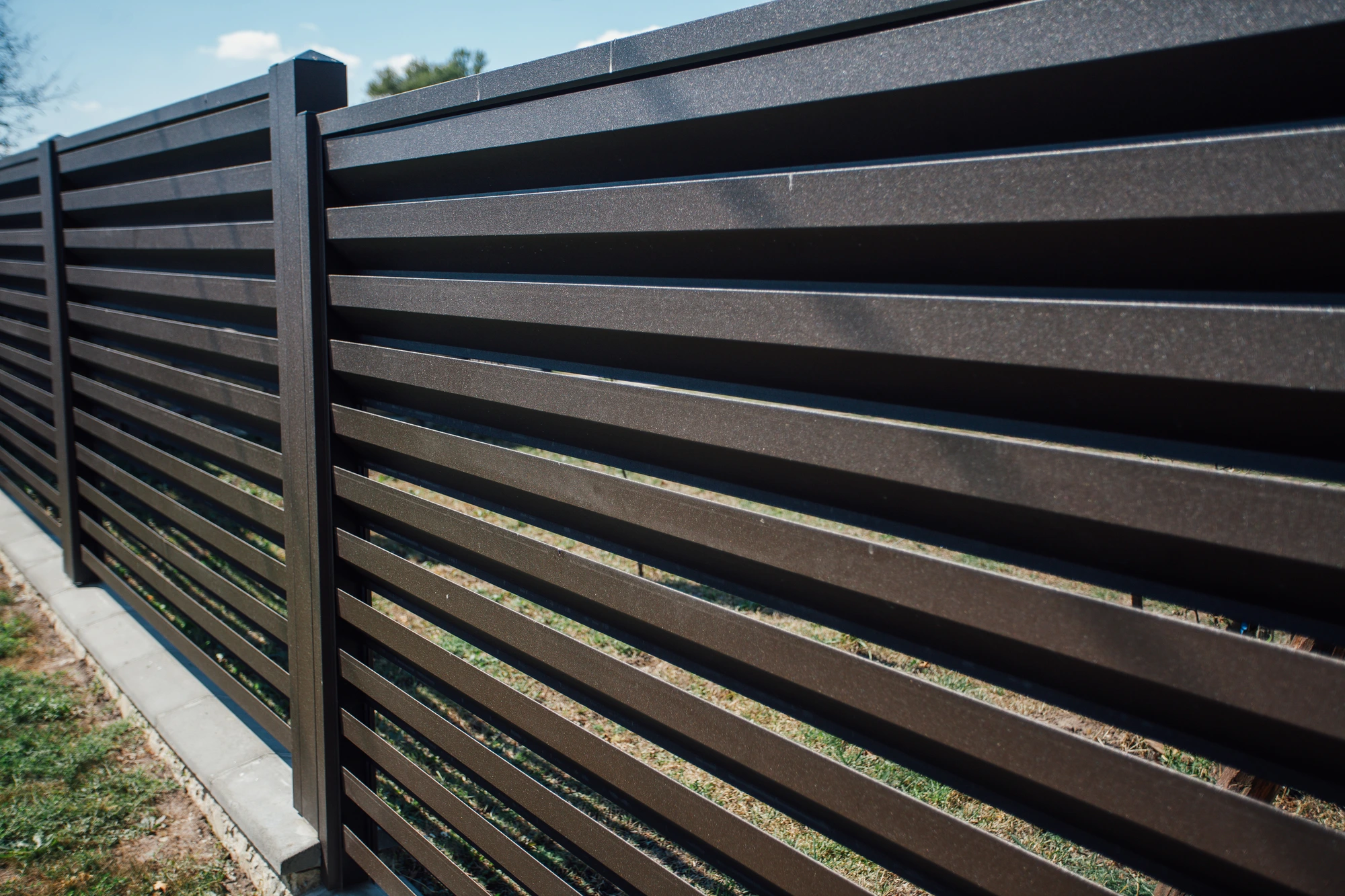
Get Expert Help for All Your Horse Fencing Needs in Florida: Contact Us Today!
Choosing the right fence height and design can make all the difference in keeping your horses safe and your property secure. If you want reliable results and long-lasting performance, working with experienced professionals, like our team at Budget Fence and Gate Systems, is the best way to ensure everything is done right.
Contact us today to receive a quote and learn how we can provide high-quality horse fencing solutions tailored to your property. Our team is committed to delivering excellent service, durable materials, and expert installation you can trust.
Recent Comments