Fencing plays an important role in how a property functions and looks. A fence can define boundaries, enhance privacy, improve safety for children and pets, and contribute to a home’s overall appearance. With several fencing materials available today, homeowners often compare wood, metal, composite, and vinyl options before deciding which one suits their needs.
One material that often comes up is PVC. Many property owners researching fences hear about a PVC fence company. PVC fencing is now widely used in residential neighborhoods. Learning how this material works and why it appeals can help homeowners decide if it matches their needs for durability, looks, and maintenance.
Understanding What a PVC Fence Is
PVC stands for polyvinyl chloride; a type of plastic widely used in construction and manufacturing. It is used in products such as plumbing pipes, window frames, siding, and electrical insulation because it is durable, lightweight, and moisture resistant.
When used in fencing, PVC is shaped into hollow or reinforced rails and panels that resemble traditional wood fencing. Because the material is molded rather than cut from timber, manufacturers can create consistent shapes, smooth surfaces, and uniform colors.
PVC fencing is often called vinyl fencing, and the two terms are frequently used interchangeably in residential construction.
How PVC Fencing Is Manufactured
The production process begins with PVC resin, which is combined with stabilizers, pigments, and additives. These components improve performance by helping the material withstand sunlight, temperature changes, and environmental exposure.
Manufacturers then heat the mixture and push it through molds in a process known as extrusion. This creates long sections of fence rails, posts, and panels that can later be cut to the required length.
Once the components are shaped, they cool and solidify into rigid structures. Manufacturers may reinforce certain parts of the fence with internal supports or metal inserts to improve strength, particularly in posts or gates.
The result is a fencing system designed to maintain its shape while remaining lightweight and easy to assemble.
Common Styles of PVC Fences
PVC fencing comes in several configurations, allowing homeowners to select a style that complements their property and meets their functional needs.
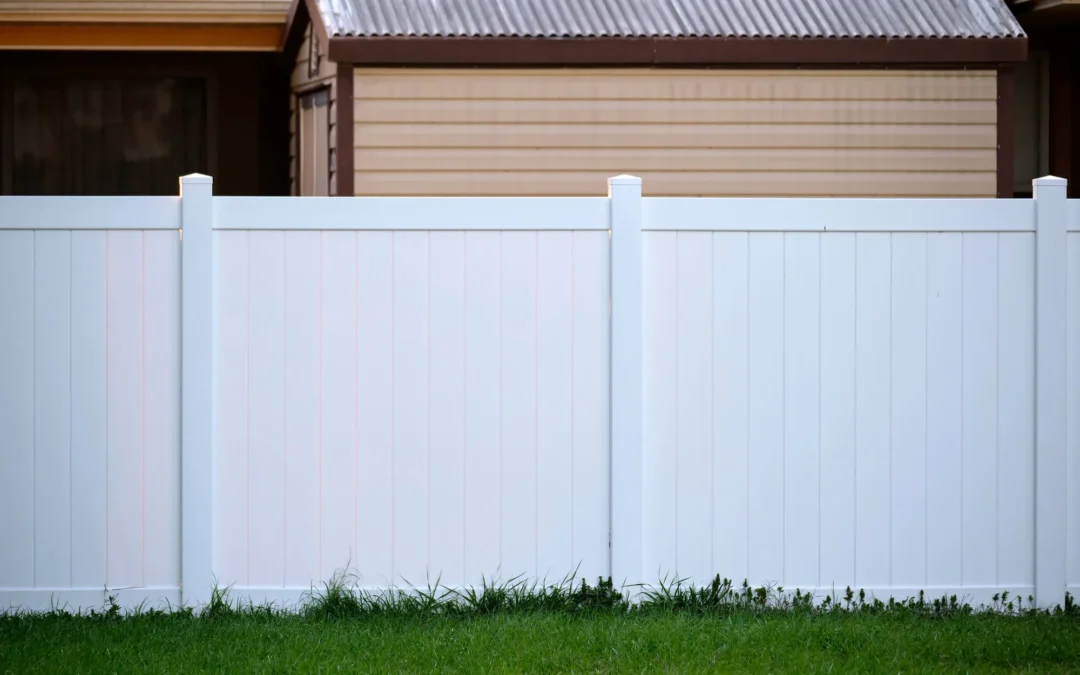
- Privacy Fences: Privacy fences feature closely spaced or solid panels that block visibility through the fence line. Homeowners often install this type of fence around backyards or patios where they want a more enclosed outdoor space. Privacy PVC fences can reach heights of six feet or more depending on local regulations.
- Picket Fences: PVC picket fences resemble traditional wooden picket fencing. They typically include evenly spaced vertical boards attached to horizontal rails. This style often appears in front yards because it defines property boundaries while maintaining visibility.
- Ranch or Rail Fences: Rail fences use horizontal boards connected to posts. These fences are common around larger properties, gardens, or rural landscapes where homeowners want a simple boundary without fully enclosing the space.
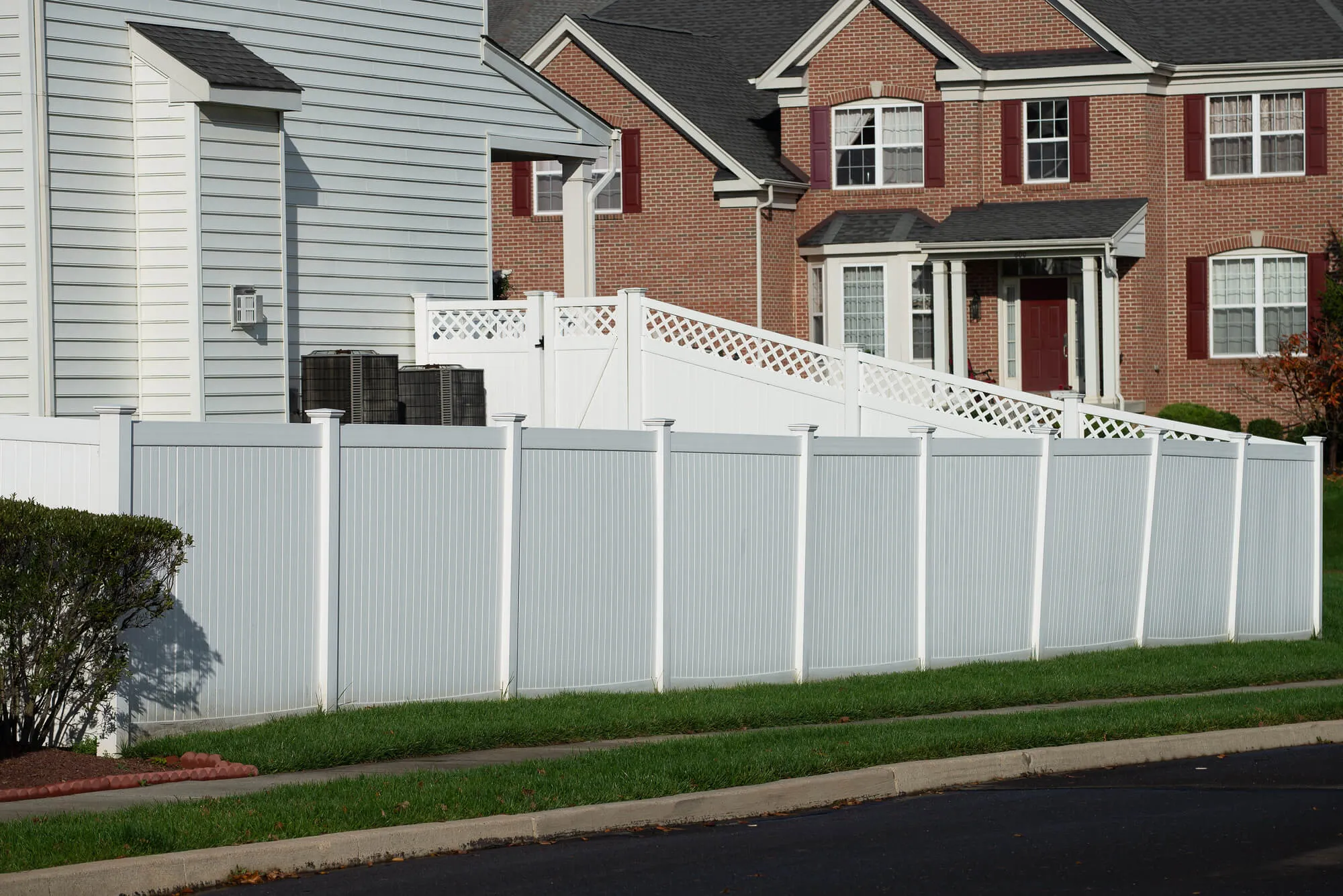
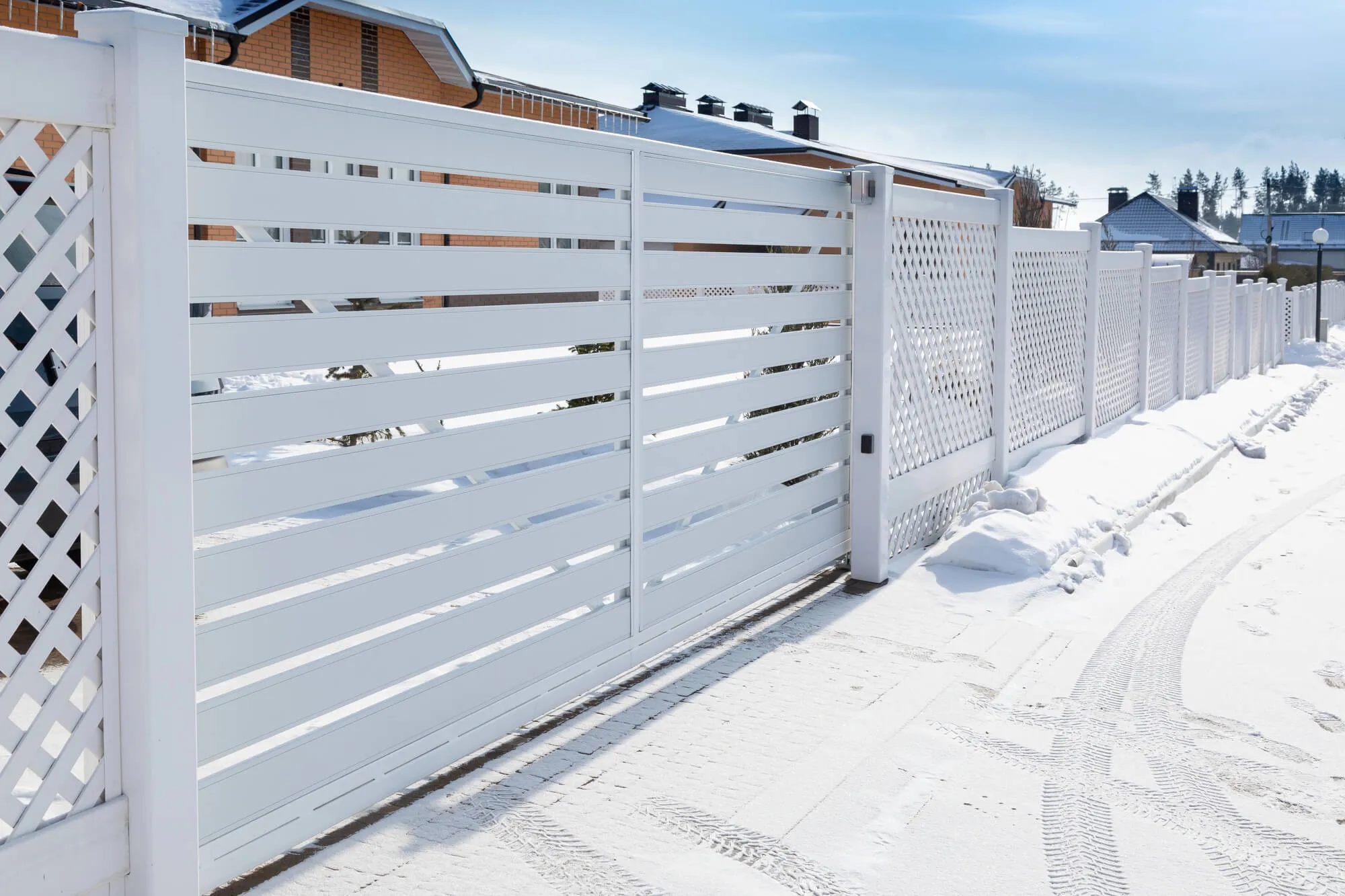
- Decorative or Semi-Privacy Fences: Some PVC fencing designs include lattice panels, scalloped tops, or spaced boards that allow partial visibility while still defining the property line. These variations allow homeowners to combine functionality with decorative design.
Why Homeowners Choose PVC Fencing
Several factors contribute to the growing popularity of PVC fencing. While each property owner has different priorities, certain characteristics of PVC fencing often influence their decision.
Durability in Outdoor Conditions
Outdoor materials must withstand weather exposure over long periods. PVC fencing is known for resisting common issues associated with traditional wood fencing.
Wood fences may absorb moisture, which can lead to swelling, warping, or decay. PVC does not absorb water in the same way, so the material maintains its shape more consistently in humid environments.
PVC fencing also resists insect damage. Termites and other wood-boring insects cannot consume the material, which eliminates a common concern for wood fence owners.
Consistent Appearance Over Time
Many homeowners consider the long-term appearance of a fence when selecting materials. Because PVC fencing is molded with color throughout the material, it does not require staining or painting to maintain its original look.
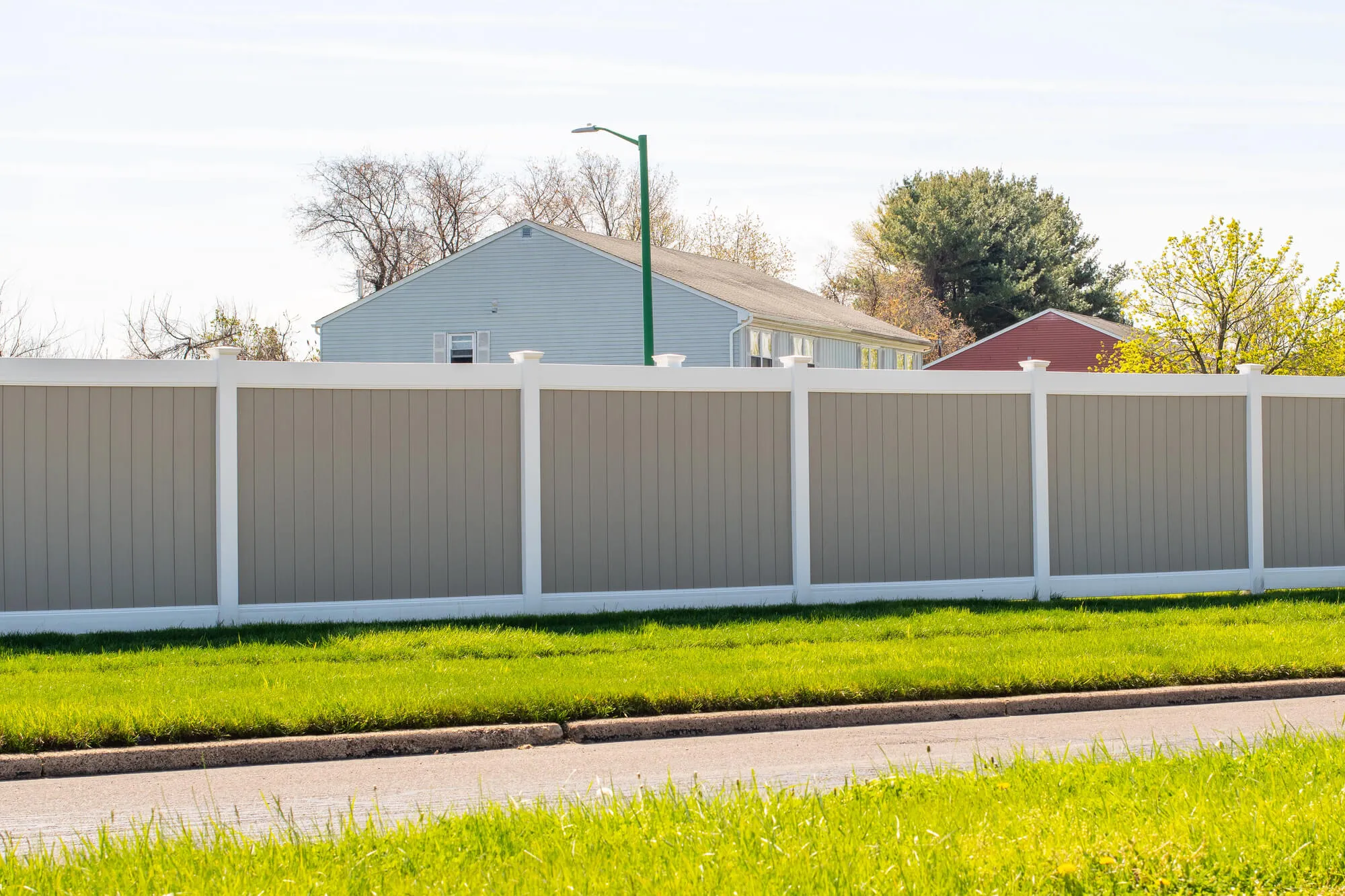
Most PVC fences are manufactured in white, tan, or neutral tones designed to complement residential architecture. The smooth surface allows dirt and debris to wash away easily with water.
Lower Maintenance Requirements
Maintenance is one of the most frequently cited reasons homeowners consider PVC fencing.
Wood fences often require periodic staining, sealing, or repainting to protect them from moisture and ultraviolet exposure. Over time, these maintenance tasks can add to the overall cost of fence ownership.
PVC fences generally require less routine maintenance. Cleaning typically involves rinsing the fence with water or using mild soap when necessary.
Resistance to Rot and Corrosion
Because PVC does not contain organic fibers like wood, it does not rot or decompose in the same way. This property can be beneficial in environments with high humidity or rainfall.
PVC fencing also does not rust like some metal fencing materials, which helps maintain structural integrity in outdoor conditions.
Uniform Construction
Manufacturing processes allow PVC fence components to be produced with precise dimensions. This consistency can help installers assemble fence sections more efficiently and maintain alignment along the fence line.
Uniform components also create a clean and symmetrical appearance once installation is complete.
How PVC Fence Installation Works
While installation methods may vary depending on terrain and design, most PVC fencing systems follow a similar installation process.
Planning and Measurement
The first step involves determining the location of the fence line. Installers measure the property boundaries and mark the positions of fence posts. This stage also considers gate placement, slope adjustments, and local building regulations.
Post Installation
Fence posts provide the structural support for the entire system. Installers typically dig holes at specific intervals and place the posts in concrete to stabilize them. Accurate spacing between posts is essential because the rails and panels must fit securely between them.
Panel Assembly
Once the posts are set and the concrete cures, installers connect the horizontal rails and vertical panels. Many PVC fencing systems are designed with interlocking components that slide or snap together. This design allows installers to assemble fence sections without nails or screws in many cases.
Gate Installation
If the fence design includes gates, installers attach hinges and latches to reinforced posts. Gates may require additional structural support to accommodate movement and weight.
Final Alignment and Inspection
After the fence sections and gates are installed, installers check the alignment and ensure the fence follows the intended layout. This stage may include adjusting panel spacing or confirming that gates open and close properly.
How PVC Fences Perform in Different Environments
Performance can vary depending on climate and installation conditions. However, PVC fencing is widely used in diverse environments because of its resistance to certain environmental stresses.
Sun Exposure
Ultraviolet stabilizers are typically added during manufacturing to reduce the effects of sun exposure. These stabilizers help the material maintain its color and structural stability.
Moisture and Rain
PVC does not absorb water, which allows it to maintain its shape during prolonged exposure to rain or humidity. This property contributes to its popularity in regions with frequent precipitation.
Temperature Changes
Like many materials, PVC expands and contracts slightly with temperature changes. Fence systems are designed with small allowances to accommodate this movement without affecting overall structure.
Wind Conditions
Wind resistance depends on fence height, panel design, and installation quality. Solid privacy fences experience more wind pressure than open designs such as pickets or rail fences.
Proper post installation and reinforcement help improve stability in windy conditions.
Comparing PVC Fencing to Other Common Materials
Homeowners often evaluate several fencing materials before deciding. Understanding how PVC compares with other options can clarify why it appeals to certain property owners.
PVC vs Wood Fencing
Wood fencing has long been a traditional choice because of its natural appearance and versatility. However, wood requires periodic maintenance such as staining, sealing, or repainting. PVC fencing offers a similar visual style while reducing routine maintenance requirements.
PVC vs Aluminum Fencing
Aluminum fencing is known for durability and resistance to corrosion. It is commonly used in decorative fencing and pool enclosures. PVC fencing may offer greater privacy because solid panel designs can block visibility through the fence.
PVC vs Chain-Link Fencing
Chain-link fences provide a functional and economical boundary. However, they allow full visibility through the fence.
PVC fencing often appeals to homeowners who prefer a more enclosed yard or a fence that blends more easily with residential landscaping.
Maintenance Practices for PVC Fences
Although PVC fences require less maintenance than some materials, occasional cleaning can help maintain their appearance.
Homeowners often rinse the fence with a garden hose to remove dust, pollen, or debris. When heavier buildup occurs, mild soap and a soft brush may be used.
Regular inspections can also help identify issues such as loose posts or gate alignment changes. Addressing these small adjustments early helps maintain the fence’s overall stability.
Looking for a Reliable PVC Fence Company?
PVC fencing offers durability, consistent appearance, and minimal maintenance, making it a practical option for many homes. Understanding installation methods, local regulations, and design choices helps homeowners plan confidently. If you’re exploring fencing options and want guidance tailored to your property, the team at Budget Fence & Gate Systems can provide helpful insights on PVC fence styles, layout planning, and installation considerations.
Recent Comments