
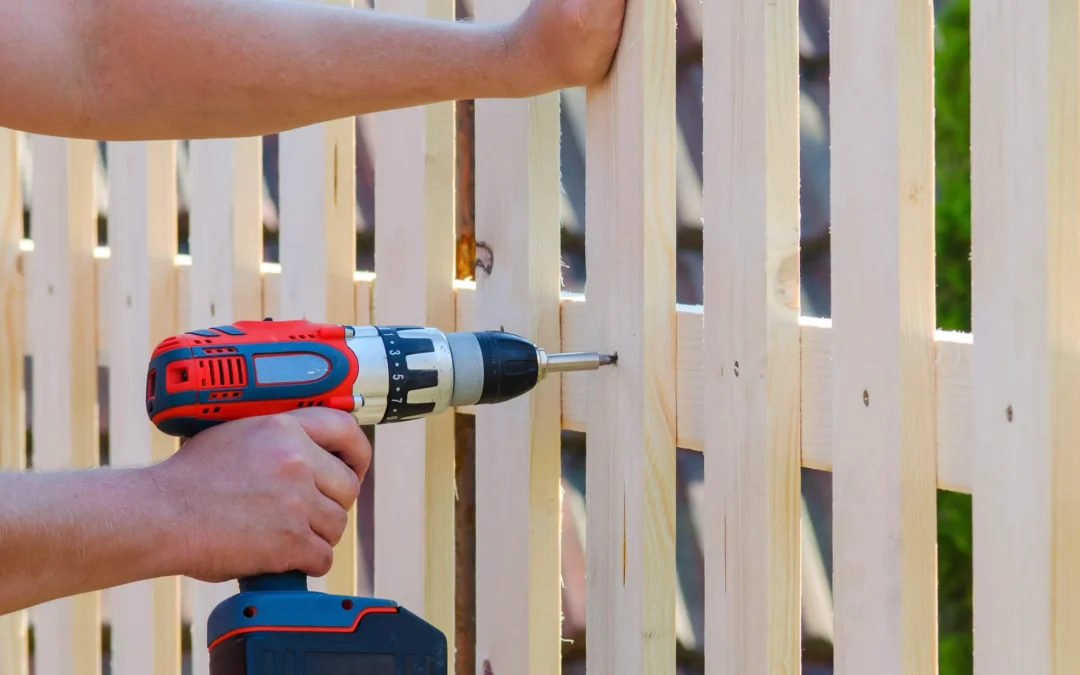
You finally decided to add a wood fence, then the questions start. How long will construction last? Will crews block your driveway? Can your pets stay outside during work? Many homeowners searching for wood fence installation advice worry about delays, unexpected costs, and disruption to daily routines. Knowing what happens at each stage helps you plan ahead, stay calm during installation, and avoid surprises that turn an exciting project into a stressful experience.
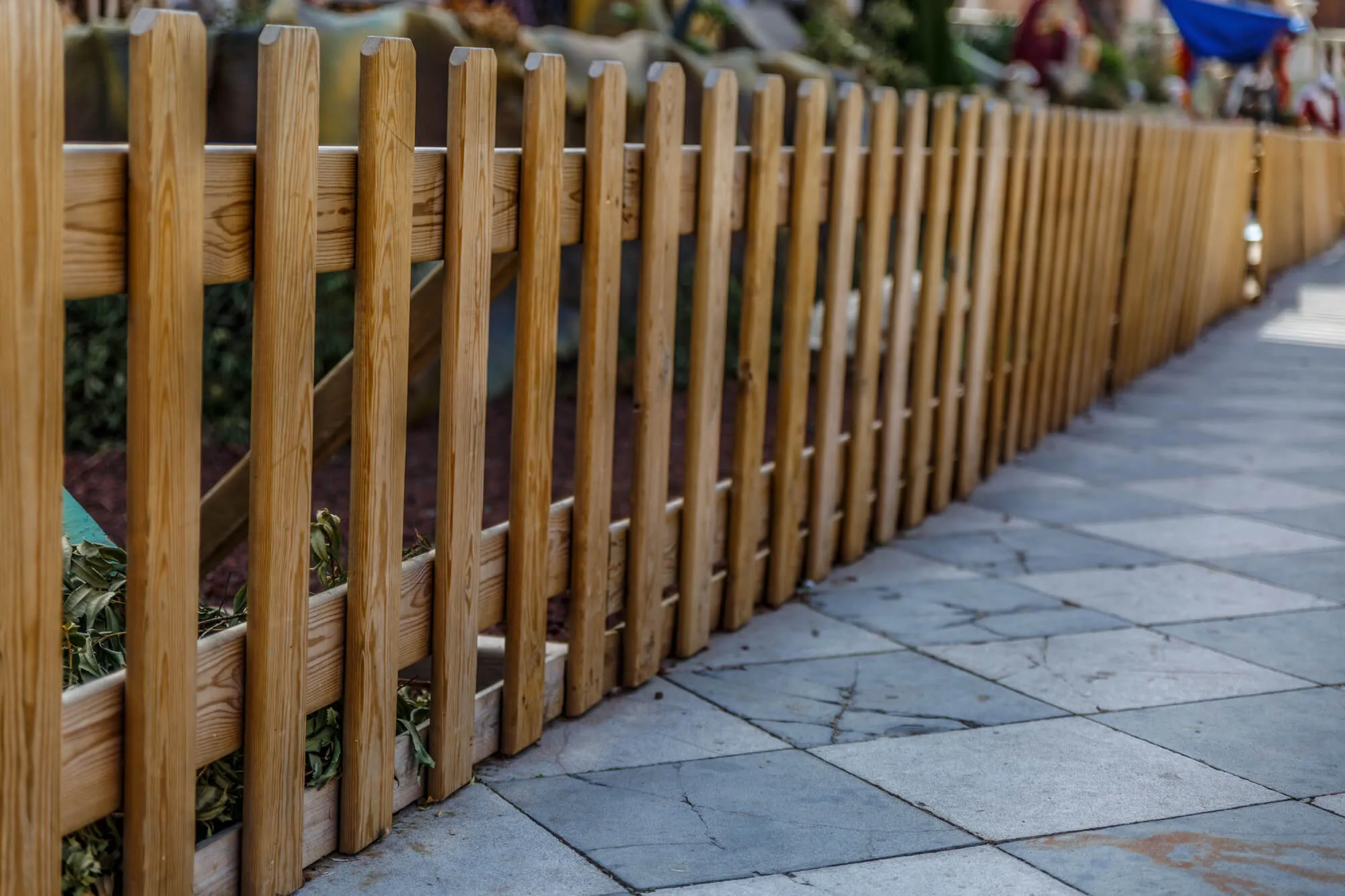
What to Expect From a Wood Fence Installation Timeline
A wood fence project moves through several phases. Each step has its own timing, from planning and permits to installation and final inspection. Smaller residential fences may take a few days once work begins, while larger or custom projects can stretch across several weeks.
The timeline depends on property size, terrain, weather, and material availability. Knowing how each phase works helps you coordinate schedules, prepare your yard, and keep your household running smoothly.
Initial Consultation and Site Evaluation
Every project begins with a conversation about your needs. Contractors review the purpose of the fence, property layout, access points, and style preferences. They measure fence lines, note slopes, identify drainage issues, and check for obstacles like trees or utility lines.
This stage often takes a few days to a week. Clear measurements and planning prevent layout errors that cause delays later. A careful evaluation also helps contractors recommend materials and fence heights that fit your property and local rules.
Design Planning and Material Selection
After the site visit, the contractor prepares a layout showing fence lines, gate locations, and materials. This step includes choosing wood type, fence height, spacing, and finishes.
Pressure-treated pine, cedar, and redwood each have different costs and availability. Some decorative designs or custom gates require fabrication time. Design planning usually takes one to two weeks, depending on revisions.
Choosing materials early keeps the schedule on track. Waiting until the last minute can delay installation if lumber or hardware needs to be ordered.
Permits and Property Line Confirmation
Permits vary by city and neighborhood. Fence height, placement, and visibility near streets may require approval. Some communities also require property surveys or homeowner association consent.
Confirming property lines is just as important. Building a fence in the wrong location leads to disputes and costly relocation. Contractors often recommend a survey before installation begins.
Permit approval may take a few days or several weeks. Starting paperwork early helps avoid waiting once materials arrive.
Utility Checks and Site Preparation
Before digging post holes, utility companies mark underground lines. This protects water pipes, electrical cables, and internet lines. Utility marking typically takes several days.
At the same time, homeowners prepare the yard. Remove furniture, toys, equipment, or plants along the fence line. Clear access allows crews to work faster and protects your belongings.
For larger properties, contractors may install fencing in phases to keep driveways and walkways open.
Material Ordering and Delivery
Material availability affects every wood fence installation timeline. Standard lumber may be stocked locally, while specialty boards or custom gates require shipping or fabrication.
Delivery usually happens a few days before installation begins. Contractors inspect materials for quality and accuracy before bringing them to your property.
Weather and transportation delays can affect delivery. Reliable contractors communicate clearly about any schedule changes.
Post Installation and Concrete Curing
Installation begins with setting posts. Crews dig holes, place posts at measured intervals, and secure them with concrete. Proper depth and alignment keep the fence stable for years.
Concrete curing takes time. Most installations wait one to three days before attaching panels. Cold or wet weather may extend curing time.
Rushing this step weakens the structure. Careful curing prevents leaning posts and sagging sections later.
Panel and Gate Installation
After posts are secure, crews attach rails, boards, and panels. Gates are installed and aligned so they open smoothly. Hardware is adjusted to prevent sagging.
Small backyard fences may take two to four days. Large properties or custom designs may take one to two weeks. Terrain, weather, and access affect pace.
If your project includes automatic gates, electricians install wiring and test sensors before final approval.
Cleanup and Final Inspection
A good contractor leaves the site clean. Crews remove scrap wood, packaging, and debris. Fence lines are checked for alignment and stability.
Homeowners walk the property with the installer to review the project. This is the time to ask questions about maintenance, staining, or hardware care.
A final inspection helps confirm the fence meets expectations and local requirements.
Factors That Can Extend Installation Timelines
Even well-planned projects can face delays. Knowing common causes helps you prepare.
Weather Conditions
Rain, storms, or extreme heat slow installation. Wet soil may prevent digging, and high winds make handling long boards unsafe.
Contractors adjust schedules to protect materials and workers. Weather delays are normal, especially during rainy seasons.
Terrain and Soil Challenges
Rocky soil, slopes, or tree roots increase installation time. Crews may need special equipment or additional digging.
Poor drainage can require gravel or deeper posts. These adjustments protect fence stability but add time.
Design Changes During Installation
Changing fence height, style, or gate placement after work begins adds labor and material costs. Replacement boards may need ordering.
Confirming details during planning avoids delays. Small changes early are easier than rebuilding sections later.
Material Shortages
Lumber supply varies by season and market demand. Specialty wood or custom gates may require extra time.
Contractors who plan ahead often secure materials early, keeping your project moving.
How Homeowners Can Prepare for Installation
A little preparation keeps your project on schedule and helps your household stay comfortable while crews are working. Taking time to plan ahead also protects landscaping, reduces confusion, and makes the installation process smoother from start to finish.
Communicate With Family and Neighbors
Let neighbors know when work is scheduled to begin. A quick conversation helps prevent parking conflicts, blocked driveways, or surprise noise complaints. If your yard shares a boundary, this courtesy also gives neighbors time to secure pets or adjust routines.
If pets use the yard, prepare a safe indoor space during installation. Open fence lines, unfamiliar equipment, and loud tools can make animals uneasy, so planning ahead keeps them calm and secure.
Clear Work Areas
Move grills, patio furniture, garden tools, and decorations away from fence lines. Trim bushes or low branches that block access to post locations. Clear space helps crews measure accurately, dig safely, and move materials without delay. It also protects your belongings from dust or accidental damage.
Plan Around Your Schedule
If possible, schedule installation during quieter weeks. This keeps parking available and reduces disruption to work calls, deliveries, or family routines. If you work from home, expect daytime noise from digging and hammering.
Ask About Maintenance Needs
Wood fences need routine care to stay strong and attractive. Ask about sealing, staining, cleaning schedules, and hardware checks. Knowing maintenance expectations early helps you plan costs and keep your fence performing well for years.
How Long Different Wood Fence Projects Usually Take
Each project is different, but these estimates help set expectations.
- Small backyard fence: 2–4 days installation after preparation
- Average residential fence: 1–2 weeks total timeline
- Large or custom fence: 3–6 weeks including permits and fabrication
These estimates include planning, permits, and installation. Weather or design changes may extend timelines.
Choosing Materials That Support Faster Installation
Material choice affects scheduling. Some wood types are easier to install.
Pressure-treated pine is widely available and quick to install. Cedar offers natural resistance to moisture and insects. Redwood provides durability with a refined appearance.
Pre-built panels install faster than custom-cut boards. Standard gate sizes also reduce fabrication time.
Your contractor can recommend options that balance appearance, durability, and scheduling needs.
Planning for Long-Term Performance
A wood fence should last for years. Planning ahead protects your investment.
Maintenance planning matters. Sealing or staining helps prevent weather damage. Checking hardware keeps gates working smoothly.
Future needs also matter. Families grow, pets arrive, landscaping changes. Planning gate placement and fence layout with flexibility saves time later.
Thinking ahead keeps your property secure and adaptable.
Why Professional Installation Helps Keep Timelines Predictable
Experienced contractors manage scheduling, materials, permits, and installation efficiently. They know how to handle soil conditions, weather changes, and layout challenges.
Professional crews work with consistent installation standards. Posts are set correctly. Gates are aligned. Materials are handled carefully.
This attention prevents repairs and delays later. It also keeps the project organized from start to finish.
Looking for Reliable Wood Fence Installation Near You?
A smooth wood fence installation depends on planning, communication, and quality workmanship. Budget Fence & Gate Systems has served Palm Beach County since 1950 with a commitment to doing the job right and treating customers with respect. Their team helps homeowners plan timelines, select materials, and install wood fencing built for long-term performance.
If you’re considering a wood fence installation near you, Budget Fence & Gate Systems can walk your property, answer your questions, and create a schedule that fits your needs. Contact our team to discuss your project and see how careful planning and dependable service make installation easier from start to finish.
Recent Comments