
Installing a fence isn’t always as simple as it sounds. Homeowners often wonder how tall it should be, how deep the posts need to go, or whether it can withstand Florida’s climate. Add in zoning laws, permits, and property lines, and it’s easy to see why many people look up “chain link fence company near me” before they even pick up a shovel. If you’re considering a chain link fence, we’ve outlined some of the most important factors to help you start the right way.

What to Consider Before Installing a Chain Link Fence
Know Your Property Boundaries First
Installing a fence without verifying your exact property lines can create more problems than it solves. Even a slight misplacement can lead to disputes with neighbors or costly adjustments. Don’t rely on guesses or old fence lines. Always refer to your property survey, which shows legal boundaries and setbacks.
If the survey isn’t available, a professional land surveyor can mark the lines for you. This step also protects your investment when selling your home or responding to nearby development. Clear boundaries prevent misunderstandings and give you peace of mind from the start.
Review Local Zoning Laws and HOA Rules
Check your city’s zoning requirements before buying materials or scheduling a contractor. Local codes often regulate fence height, style, and placement—especially near driveways, sidewalks, or street corners.
If you live in a community with a homeowners’ association (HOA), review their design rules too. HOAs may have stricter guidelines, like requiring black vinyl-coated mesh or limiting fence height. Installing a fence that violates these rules could lead to fines or forced removal. It’s worth a quick call or website visit to ensure your fence meets all standards.
Call Before You Dig
Always contact your local utility locating service before digging. Underground utilities like water, gas, and electric lines may run directly beneath your planned fence line. Hitting one can be dangerous and costly. The good news? This service is typically free and easy to request. After you call, technicians will mark utility lines with paint or flags so you can dig safely. It’s a small step that prevents big problems, and it’s legally required in many areas.
Choosing the Right Materials
Fence Fabric Gauge and Coating
Metal mesh, called fabric, comes in different gauges (thickness levels). For residential use, 11 or 11.5 gauge is standard. Thicker gauge numbers mean thinner material, while smaller numbers mean more strength. For better durability and appearance, you can also choose coatings like galvanized steel or vinyl.
Post and Rail Quality
The longevity of your fence depends heavily on the quality of your posts and rails. Galvanized steel is the most common and offers resistance to rust. Thicker posts and rails are recommended for areas with high wind or for fences over four feet tall. Be sure to use brackets that match the fabric and post diameter.
Privacy Options and Add-ons
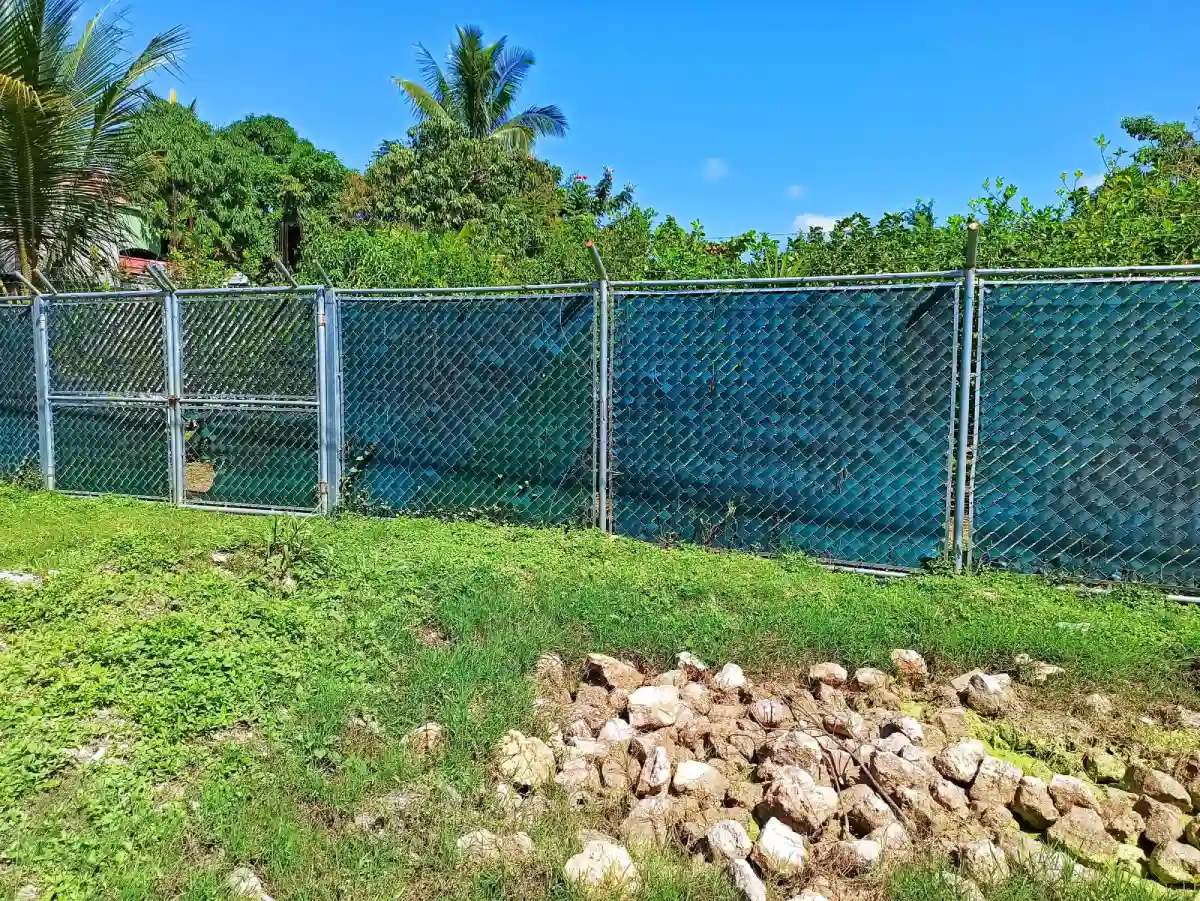
Chain link doesn’t have to mean wide-open views. Privacy slats, windscreens, or fabric covers can be added to increase privacy. These also help block wind, reduce debris, and enhance appearance. Some are decorative, while others are more functional. Choose based on your location and how much visibility you want.

Preparing Your Site for Installation
Clear the Line of Debris and Obstacles
Before installing, remove any bushes, rocks, or old fencing along the planned line. Grass may need to be trimmed low to level the surface. Make sure the area is accessible for tools and equipment.
Measure and Mark Post Locations
Accurate spacing ensures that your fence panels and gates align properly. Measure out where each post will go using stakes and string. Most chain link fences require posts every 7 to 10 feet. Double-check gate openings so hardware fits properly.
Decide on Post Depth and Anchoring
Post depth matters, especially in areas prone to wind or soil movement. Posts should go at least 24 inches deep, or deeper for tall fences. Use concrete footings for extra stability. Let the concrete set fully before attaching fabric or hardware.
Should You DIY or Hire a Professional?
Pros of Doing It Yourself
DIY can save on labor costs if you’re comfortable using tools, reading layouts, and digging post holes. You can complete small sections at your own pace and customize the look as you go. It’s a good option for handy homeowners who have the time and don’t mind physical work.
Risks of DIY Installations
Mistakes in spacing, leveling, or tensioning the wire can affect fence strength and appearance. Digging errors like hitting utility lines or placing posts unevenly may require costly fixes. DIY could turn into a stressful and drawn-out project if you’re unsure about slope adjustments, gate fitting, or property line rules.
Advantages of Hiring a Pro
Professional installers bring the right tools, experience, and efficiency. They’ll handle permits, digging, concrete work, and material sourcing. A licensed chain link fence company near me also understands local codes and soil conditions. The result is usually faster, safer, and backed by a warranty.
How to Choose the Right Fence Height and Style
Consider Purpose and Location
Think about what you want your fence to do. A 4-foot fence is fine for marking boundaries or keeping small pets in. If you need more privacy or security, 6-foot fences are more effective. Commercial sites may go up to 8 feet with optional barbed wire for added protection.
Factor in Local Regulations
Check your city or county fence codes before deciding on a height. Most areas allow taller fences in backyards than front yards. In some neighborhoods, fences above a certain height require permits or architectural approval. Stay informed to avoid rework or fines.
Match with Existing Structures
You don’t need to sacrifice curb appeal. Choose a fence finish that works with your home’s exterior or landscape. Black vinyl-coated chain link fences are a popular choice because they look cleaner and less industrial than silver galvanized steel.
Understanding Fence Permits and Inspections
When You Need a Permit
In Florida, a permit is often required for fences over 4 feet or those near sidewalks, streets, or drainage systems. Extra documentation may be needed if your property is near a canal or easement. Always verify before starting the job.
The Inspection Process
Once the fence is installed, you may need to pass a final inspection. Inspectors check height, distance from the property line, and structural soundness. A qualified contractor will schedule this for you and ensure everything is in line with local code.
Tips for Smooth Approval
Bring your property survey to the permitting office. Double-check that your contractor is licensed and insured. And if you live in a community with an HOA, get written approval to avoid issues during or after installation.
How Long Will a Chain Link Fence Last?
Average Lifespan
With proper installation and care, a chain link fence can last between 20 and 30 years. Galvanized steel stands up well to humidity, while vinyl-coated options add even more protection against rust and corrosion.
What Affects Longevity
The quality of materials and installation methods matter most. A poorly anchored post or low-grade mesh can wear out fast. Ground conditions, standing water, and coastal air also influence how your fence holds up over time.
When to Replace vs Repair
Small issues like bent rails, sagging mesh, or missing ties can often be repaired. However, if the posts are shifting or the wire is rusted throughout, replacing the entire fence might be more cost-effective in the long term.
Budgeting for Your Fence Project
Material and Labor Breakdown
Galvanized chain link is typically the most affordable option per linear foot. Vinyl-coated versions and privacy add-ons increase the price. Labor costs vary based on site complexity and fence height.
Getting Multiple Quotes
Compare quotes from more than one contractor. Look beyond the price—review timelines, material specs, warranties, and whether clean-up is included. Ask for a breakdown of all services included.
Avoiding Hidden Costs
Look for fine print that might exclude demolition of old fencing or post-cementing. Ask if adjustments for slopes or difficult terrain are included in the estimate. A transparent quote protects your timeline and budget.
Can You Customize a Chain Link Fence?
Privacy and Security Features
You can add slats in various colors to reduce visibility and wind. Privacy mesh or windscreens are common in residential and commercial applications. These upgrades improve comfort without replacing the entire fence.
Decorative Touches
Post caps, color-matched hardware, and powder-coated finishes can make the fence feel less industrial and more inviting. Rounded top rails and tension wire at the base give a more polished look and deter digging by pets.
Access Options
Choose from swinging gates, double gates for vehicles, or rolling gates for driveways. Automation, locks, and access controls can also be added based on your security needs.
Looking for a Reliable Chain Link Fence Company Near You?
A chain link fence is a durable and cost-effective solution for homeowners and businesses alike. It provides security, defines property lines, and can be adapted to suit many uses. From permit requirements to hardware choices, there’s a lot to think about, but you don’t have to figure it out alone.
Contact Budget Fence and Gate Systems today for a free consultation. Our experienced team will guide you through planning, permits, and installation from start to finish.
Recent Comments